If you’ve already explored the calm waters of Mangel Halto and feel ready to go a bit further, the reef cuts are where things start to get more interesting. These natural channels break through the reef, creating openings that connect the protected lagoon with the open ocean.
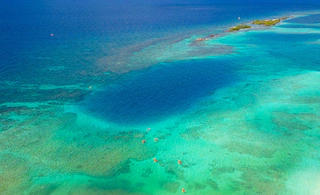
Locals usually refer to them as the left and right cuts. At first glance, they might not look like anything special — just slightly deeper areas between the reef. But once you swim closer, you’ll notice how the water changes. The color shifts, the depth increases, and the movement of the water becomes more noticeable.
The left cut is generally considered the easier one. It’s a bit shallower and tends to have less current, making it a better option if you’re still getting comfortable in the water. You can explore around the edges of the channel and still see plenty of marine life without going too far out.
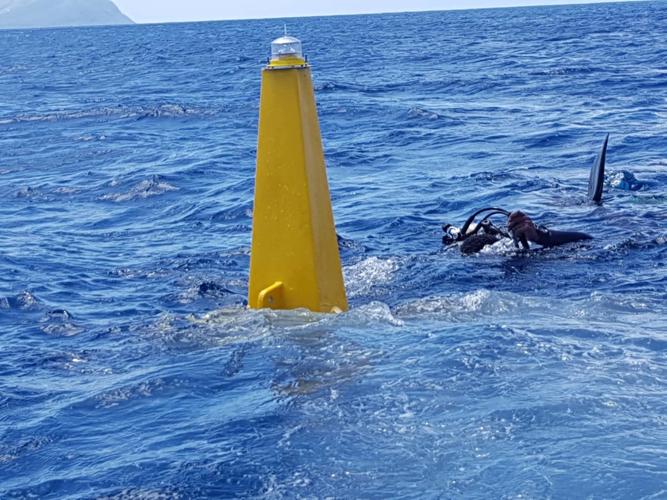
The right cut, on the other hand, is deeper and usually marked by a buoy. This is where things start to feel more like open ocean. The water here can move more, and the drop-off becomes more visible. It’s a great spot for experienced snorkelers who want to see a different side of the reef.
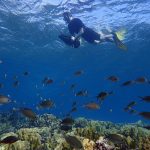
Swimming through these cuts can be an incredible experience. You’ll often find yourself surrounded by schools of fish moving between the reef and deeper water. The coral formations here are also less disturbed, and the visibility can be amazing on a calm day.
That said, this is not the place to underestimate conditions. Currents can be stronger here than inside the lagoon, and it’s important to stay aware of your surroundings. If you’re not confident in your swimming, it’s better to stay closer to the inner reef or go with someone experienced.
Many visitors choose to explore the reef cuts as part of a guided snorkeling or kayak tour. These tours know exactly where to go and how to navigate the area safely, which takes away a lot of the guesswork.
Timing also matters. Early mornings usually offer the calmest conditions, while afternoons can bring more movement in the water. Checking the wind and sea conditions before heading out is always a good idea.
One of the most interesting things about the reef cuts is how they act as a transition zone. You’re literally moving from calm, shallow lagoon waters into the deeper, more dynamic ocean environment. It’s a small distance, but it feels like a completely different world.
If you’re looking to take your snorkeling experience a step further without going too far offshore, the reef cuts are definitely worth exploring. Just take it slow, respect the ocean, and enjoy the experience.
It’s one of those places where a bit of curiosity leads to something unforgettable.