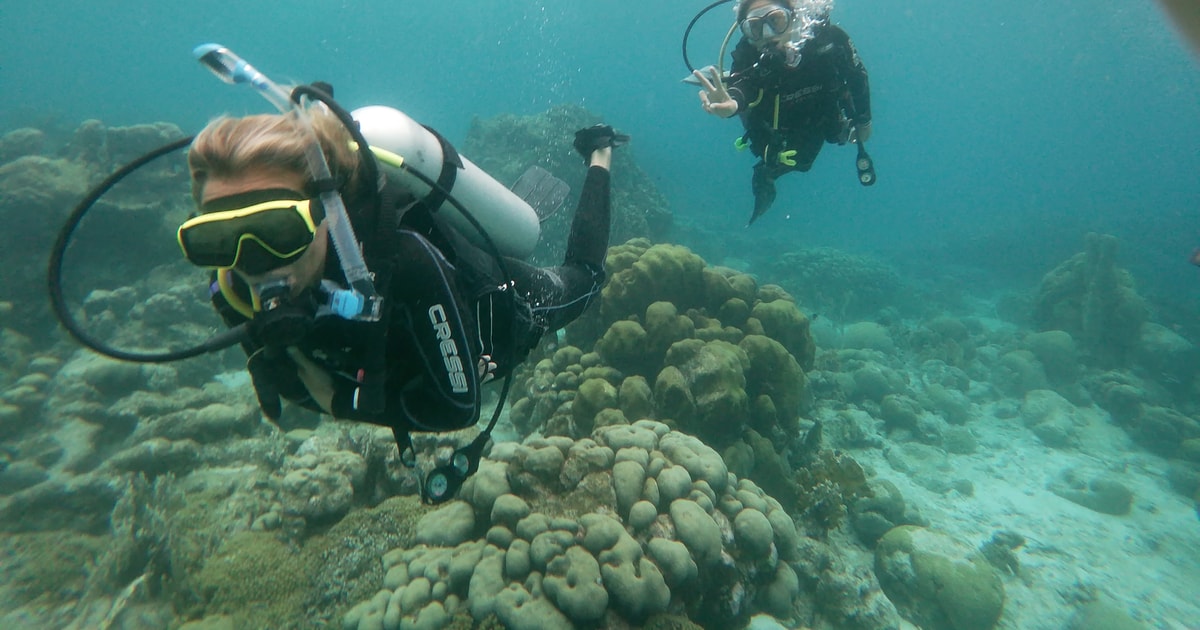
Snorkeling in Aruba is one of those experiences that’s surprisingly easy to enjoy, even if you’ve never done it before. The island’s clear water, calm conditions, and accessible reefs make it one of the best places in the Caribbean to get started.
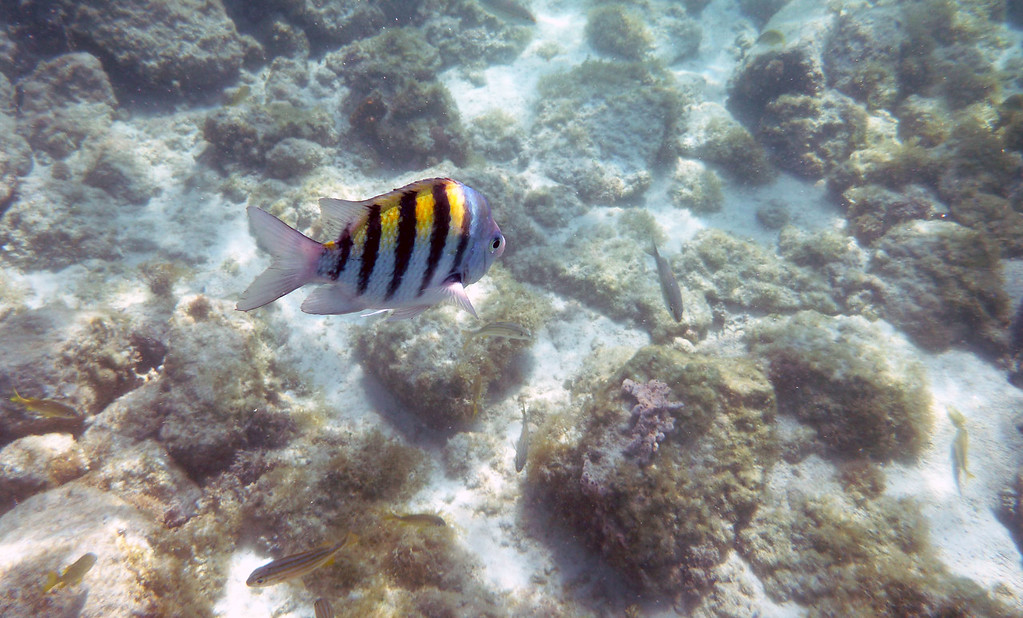
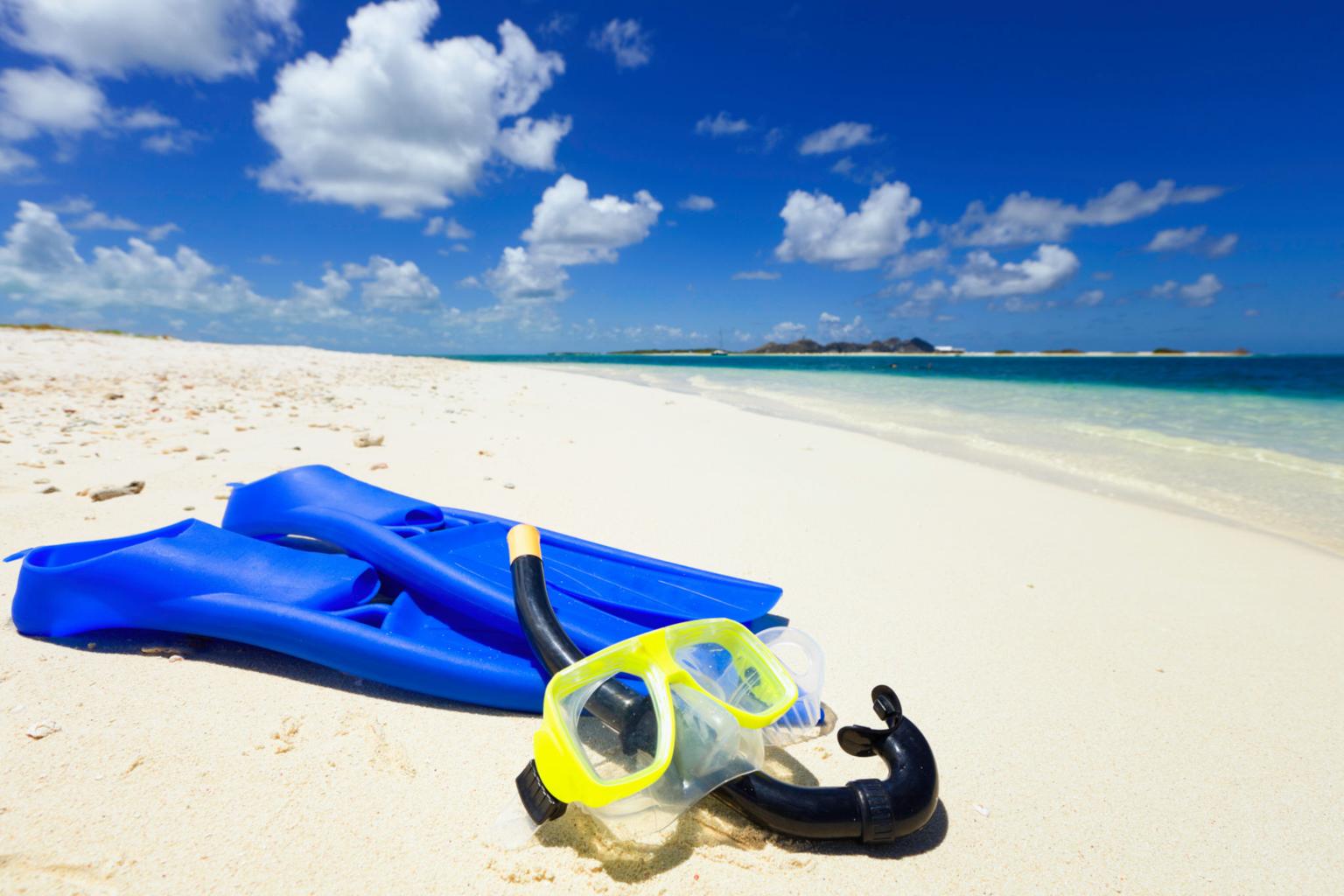
If you’re planning your first snorkeling trip here, you don’t need much. A basic mask, snorkel, and fins are enough to explore a completely different world just a few meters from the shore. In many places, you can simply walk into the water and start seeing fish almost immediately.
One of the best areas to snorkel is around Mangel Halto. The calm lagoon makes it perfect for beginners, while the outer reef offers something more interesting for those who want to go further. It’s a great place to ease into the experience before exploring more advanced spots like reef cuts or deeper channels.
Another popular location is Baby Beach, especially for those who want a very relaxed and safe environment. The shallow water makes it easy to stay comfortable, and you’ll still see plenty of small fish around the lagoon edges.
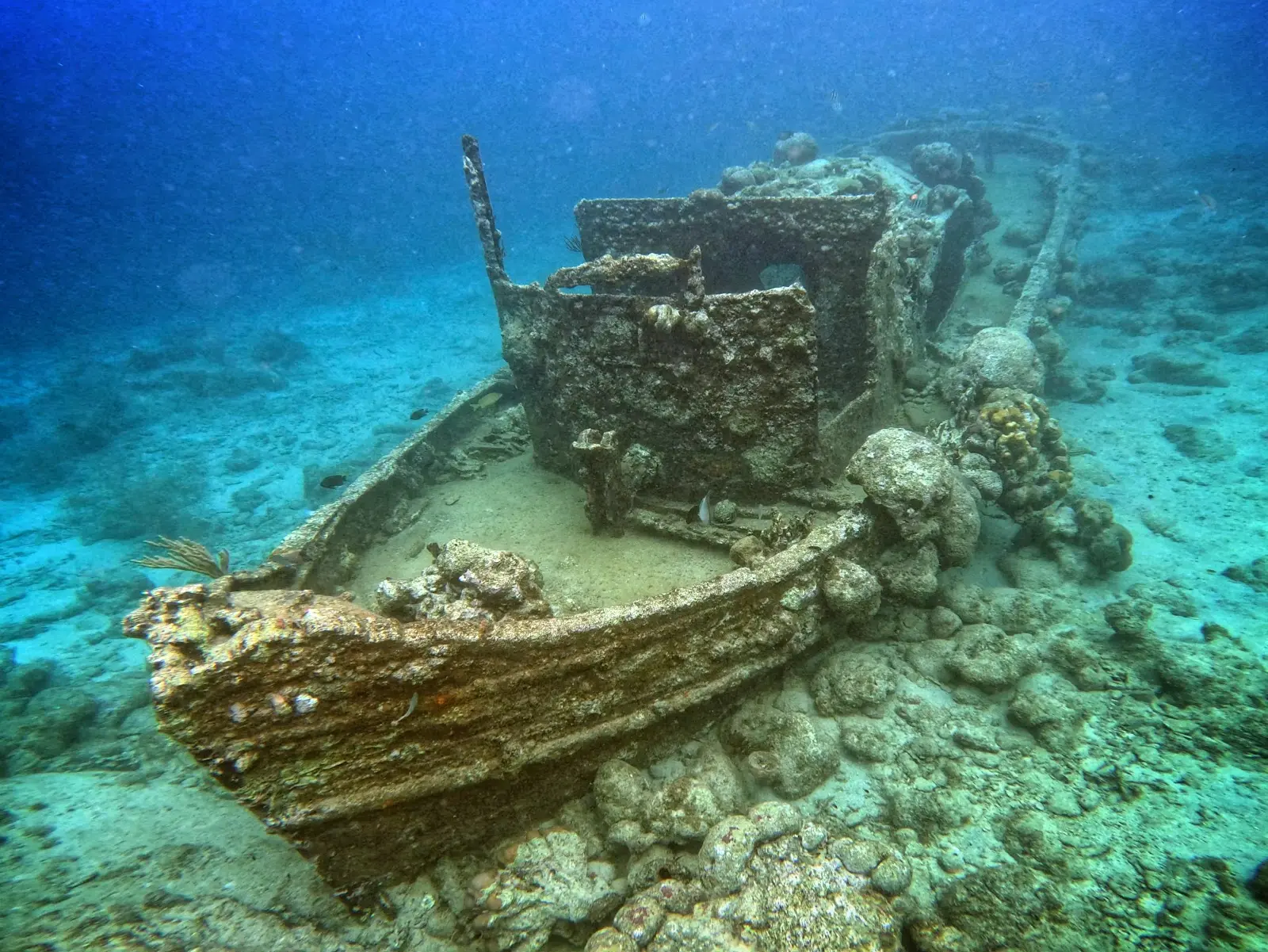
If you’re looking for something a bit different, exploring areas like the tugboat wreck adds a unique twist to your snorkeling day. It’s not just about fish and coral — it’s about discovering something unexpected underwater.
Timing can make a big difference. Early mornings are usually the best for snorkeling in Aruba. The water tends to be calmer, visibility is better, and there are fewer people around. By midday, conditions are still good, but it can get more crowded depending on the location.
There are a few things worth keeping in mind before you go. Always use reef-safe sunscreen to protect both your skin and the coral. Avoid standing on the reef, even in shallow areas, as it can easily be damaged. And if you’re heading further out, wearing fins will help you move more efficiently and stay safe.
For those who prefer a more guided experience, many visitors choose to join snorkeling tours. These tours often combine multiple locations in one trip and provide equipment, instructions, and local knowledge. It’s a simple way to explore without having to figure everything out on your own.
Another great option is combining snorkeling with kayaking. Some tours take you through mangrove areas before reaching the reef, giving you a different perspective of the island both above and below the water.
If you’re bringing your own gear, make sure it fits properly. A good mask seal makes all the difference. If it leaks, it can quickly become frustrating. Rental gear is widely available, but it’s always worth checking the quality before heading out.
Snorkeling in Aruba doesn’t require planning every detail. In fact, part of the fun is how easy and spontaneous it can be. You might start your day at one beach and end up discovering a completely different spot just by following the coastline.
Whether you’re floating in a calm lagoon or exploring a reef edge, the experience is always a bit different. And that’s what keeps people coming back — there’s always something new to see just below the surface.
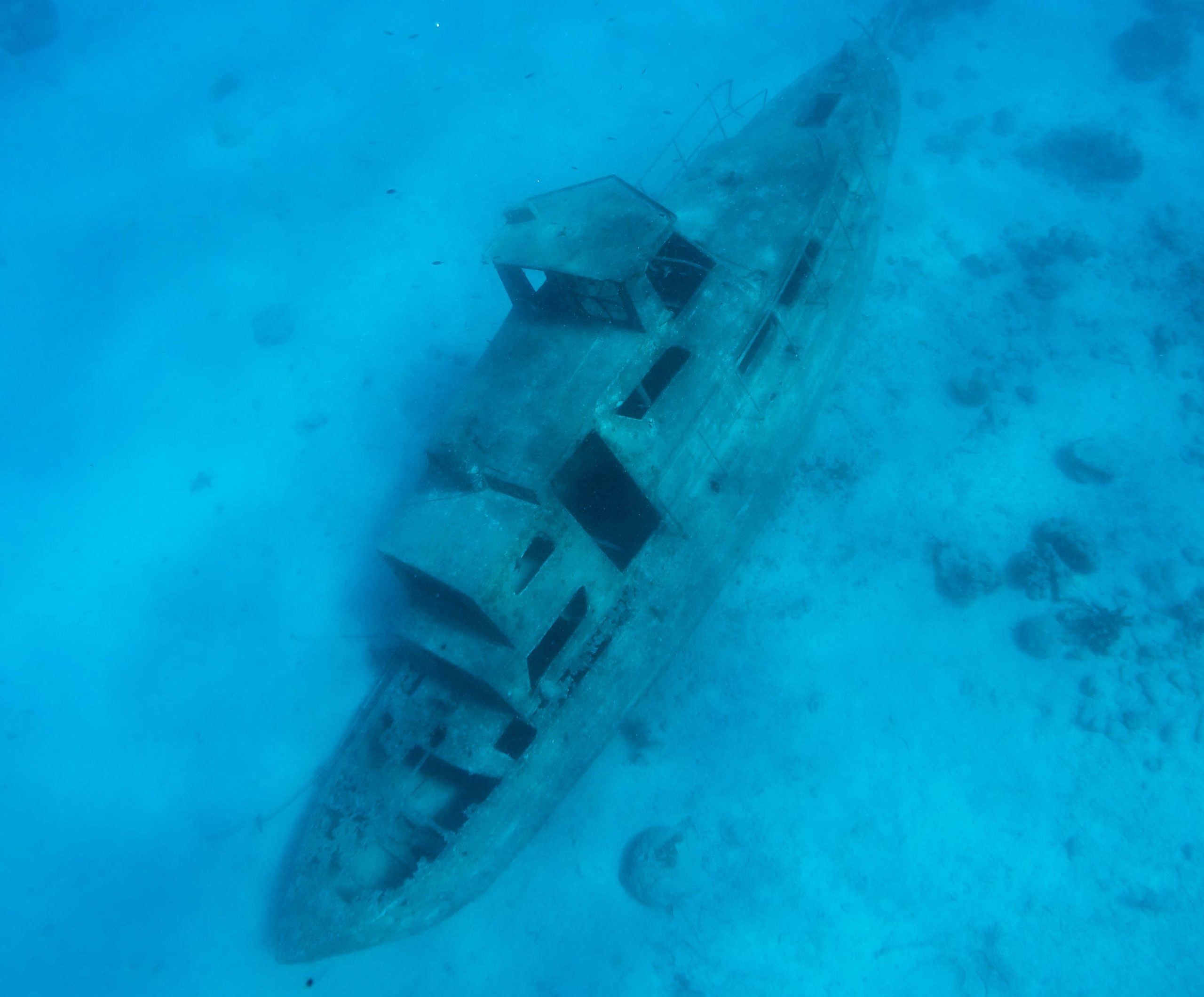
Not far from the calm waters of Mangel Halto, there’s a spot that adds a completely different kind of experience to your snorkeling day — a sunken tugboat resting quietly beneath the surface.
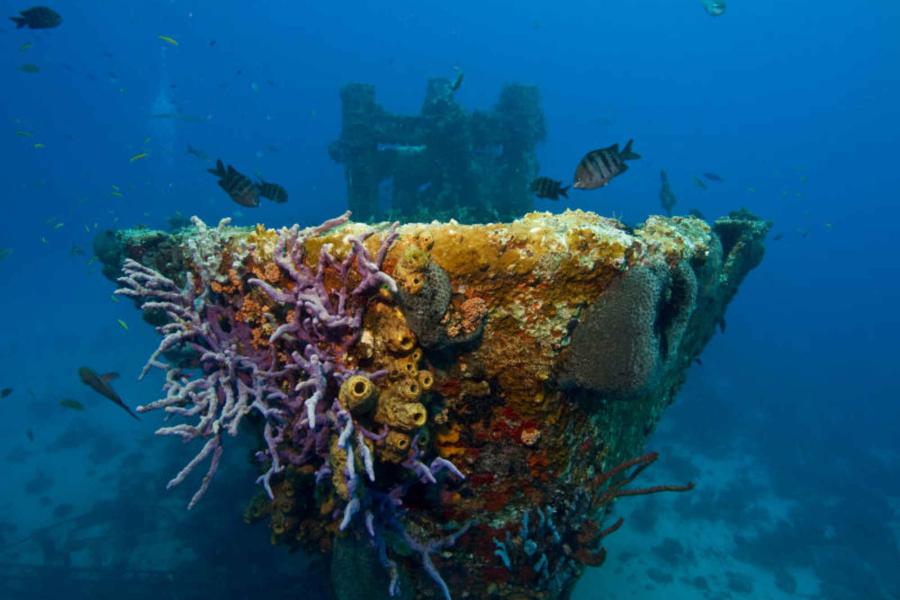
The tugboat wreck is one of those places that feels a bit surreal the first time you see it. You’re swimming in clear blue water, and then suddenly, below you, there’s a structure that clearly doesn’t belong there — a small boat, now covered in coral and surrounded by marine life.
What makes this wreck so interesting is how accessible it is. Unlike deep dive sites, this tugboat sits in relatively shallow water, which means even beginner snorkelers can get a good view of it. You don’t need special equipment or advanced skills — just a mask, fins, and a bit of curiosity.
Over time, the wreck has turned into an artificial reef. Corals have grown over parts of the structure, and fish use it as shelter. You’ll often see schools of small fish moving around it, and sometimes larger ones passing by. It’s a great place to just float above and observe everything happening below.
The contrast between the man-made structure and the natural reef around it makes this spot stand out. It’s not just about the marine life — it’s also about the story behind it. The tugboat was intentionally sunk, and now it has become part of the underwater landscape.
Getting there usually involves swimming out from the Mangel Halto area or visiting it as part of a guided snorkeling tour. Many tours include this stop because it’s visually unique and easy to access, making it a highlight for visitors.
As with any snorkeling spot, conditions matter. Calm mornings offer the best visibility, while rougher conditions can make it harder to see clearly. Always take a moment to check the water before heading out.
It’s also important to keep a respectful distance. Even though it might be tempting to get very close or touch the wreck, it’s better to observe without disturbing the marine life that now calls it home.
If you’re exploring the snorkeling spots around Mangel Halto, the tugboat wreck is definitely worth adding to your list. It’s quick to visit, easy to enjoy, and offers something a bit different from the usual reef experience.
Sometimes, it’s these unexpected finds that end up being the most memorable part of the day.
If you’ve already explored the calm waters of Mangel Halto and feel ready to go a bit further, the reef cuts are where things start to get more interesting. These natural channels break through the reef, creating openings that connect the protected lagoon with the open ocean.
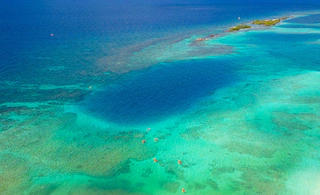
Locals usually refer to them as the left and right cuts. At first glance, they might not look like anything special — just slightly deeper areas between the reef. But once you swim closer, you’ll notice how the water changes. The color shifts, the depth increases, and the movement of the water becomes more noticeable.
The left cut is generally considered the easier one. It’s a bit shallower and tends to have less current, making it a better option if you’re still getting comfortable in the water. You can explore around the edges of the channel and still see plenty of marine life without going too far out.
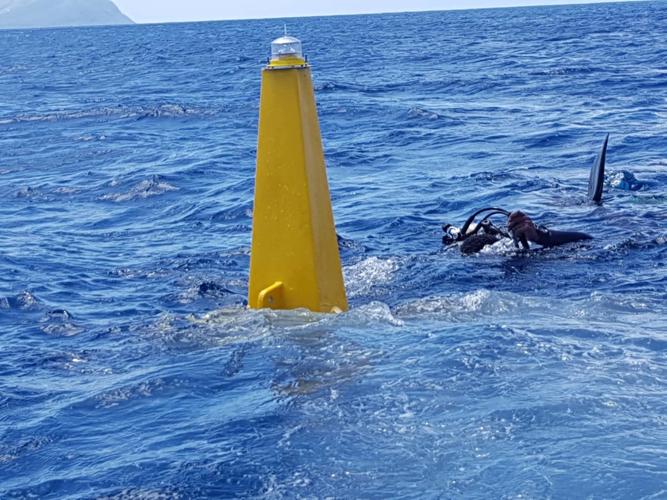
The right cut, on the other hand, is deeper and usually marked by a buoy. This is where things start to feel more like open ocean. The water here can move more, and the drop-off becomes more visible. It’s a great spot for experienced snorkelers who want to see a different side of the reef.
Swimming through these cuts can be an incredible experience. You’ll often find yourself surrounded by schools of fish moving between the reef and deeper water. The coral formations here are also less disturbed, and the visibility can be amazing on a calm day.
That said, this is not the place to underestimate conditions. Currents can be stronger here than inside the lagoon, and it’s important to stay aware of your surroundings. If you’re not confident in your swimming, it’s better to stay closer to the inner reef or go with someone experienced.
Many visitors choose to explore the reef cuts as part of a guided snorkeling or kayak tour. These tours know exactly where to go and how to navigate the area safely, which takes away a lot of the guesswork.
Timing also matters. Early mornings usually offer the calmest conditions, while afternoons can bring more movement in the water. Checking the wind and sea conditions before heading out is always a good idea.
One of the most interesting things about the reef cuts is how they act as a transition zone. You’re literally moving from calm, shallow lagoon waters into the deeper, more dynamic ocean environment. It’s a small distance, but it feels like a completely different world.
If you’re looking to take your snorkeling experience a step further without going too far offshore, the reef cuts are definitely worth exploring. Just take it slow, respect the ocean, and enjoy the experience.
It’s one of those places where a bit of curiosity leads to something unforgettable.

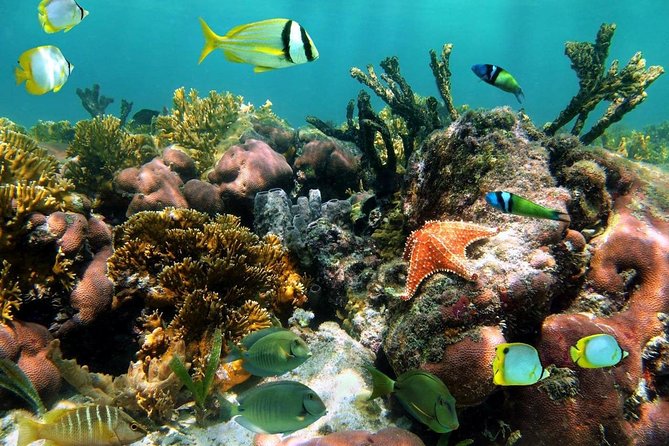
If you ask anyone familiar with Aruba where to snorkel, Mangel Halto Reef will almost always come up. And once you get in the water here, it’s easy to understand why. This isn’t just another beach snorkeling spot — it feels like stepping into a completely different world.
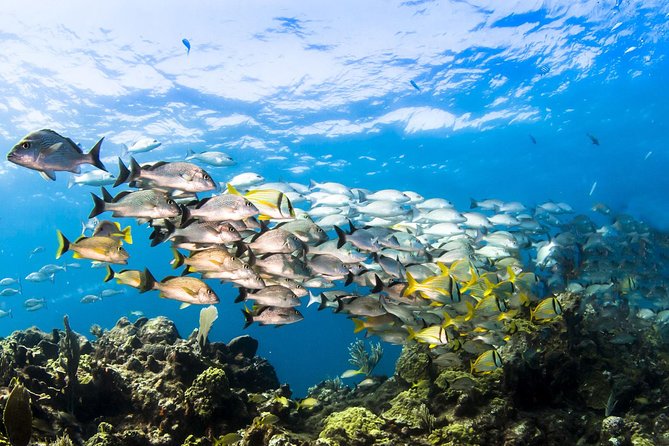
The experience starts in the shallow lagoon. At first, the water is calm, almost still, with patches of seagrass and small fish moving around your feet. It’s a gentle introduction, especially if you’re new to snorkeling. But the real magic happens as you move further out toward the reef.
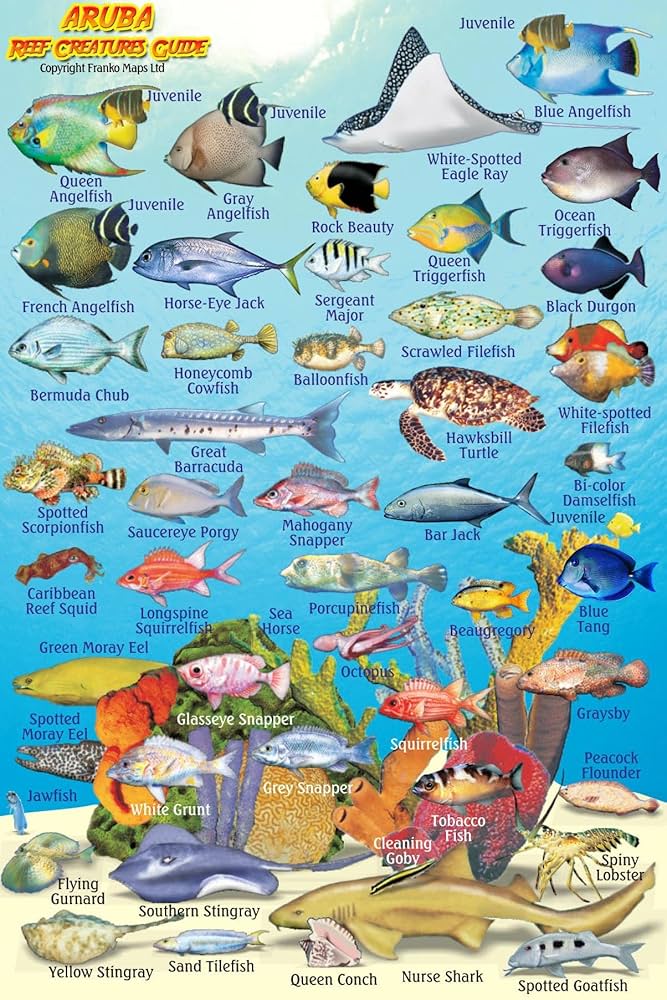
Once you reach the reef area, everything changes. The water becomes deeper, the colors more intense, and suddenly you’re surrounded by coral formations and schools of fish. You’ll see parrotfish, blue tangs, and plenty of smaller reef fish moving in every direction. If you take your time and look closely, you might even spot a moray eel tucked between the rocks or an octopus blending into the reef.
One of the things that makes Mangel Halto Reef special is how untouched it feels. Compared to more commercial snorkeling locations, there are no big crowds or constant boat traffic. It’s just you and the reef, which makes the whole experience feel more natural and personal.
Visibility here is usually excellent, especially in the morning when the water is calm and the sun hits the reef at the right angle. This is the best time to go if you want to see the colors clearly and spot more marine life.
It’s worth noting that getting to the outer reef requires a bit more confidence in the water. The distance isn’t huge, but it’s not right next to the shore either. Wearing fins makes a big difference, and it’s always smart to go with a buddy.
If you’re not comfortable exploring on your own, many visitors choose to join a guided snorkeling or kayak tour. These tours take you directly to the best parts of the reef and often include equipment and local insight, which makes the whole experience easier and safer.
Another interesting part of this area is how the reef drops off into deeper water. Beyond the main snorkeling zone, the ocean floor slopes down significantly, attracting larger marine life and making it a popular spot for more experienced divers as well.
There are a few simple things to keep in mind before you go. Avoid stepping on the coral, as it’s fragile and protected. Use reef-safe sunscreen, and always check the water conditions before heading out. Even though the lagoon is calm, the outer reef can have mild currents depending on the day.
Mangel Halto Reef isn’t just a place to snorkel — it’s one of those spots that stays with you after you leave. It’s quiet, raw, and full of life in a way that feels completely natural.
If you’re planning to explore the underwater side of Aruba, this is one place you really don’t want to miss.