Most people visiting Aruba stick to the well-known beaches — Eagle Beach, Palm Beach, maybe even Baby Beach. But if you’re willing to explore just a little further, you’ll quickly discover that some of the island’s most memorable spots are the ones that don’t show up on the typical tourist map.
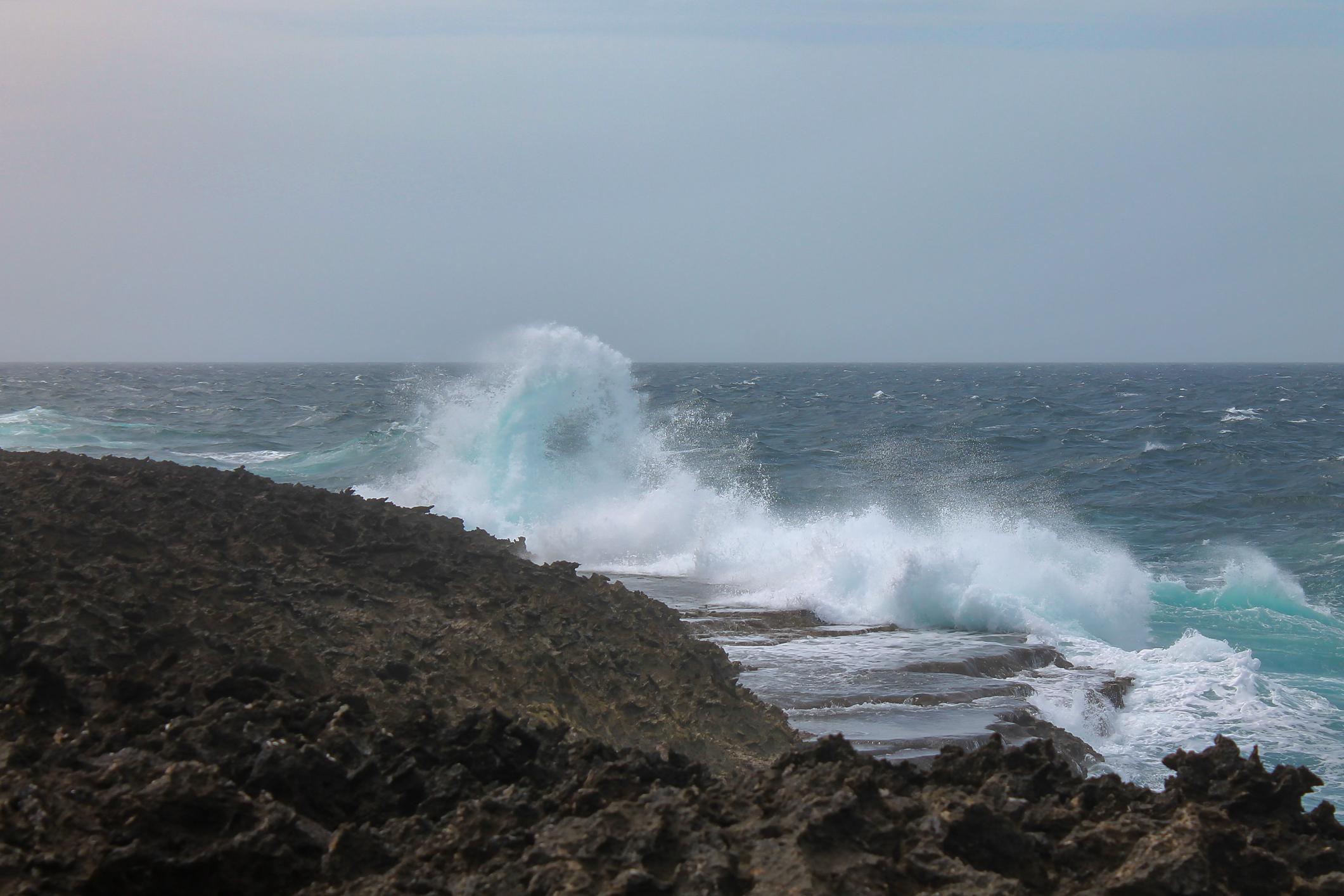
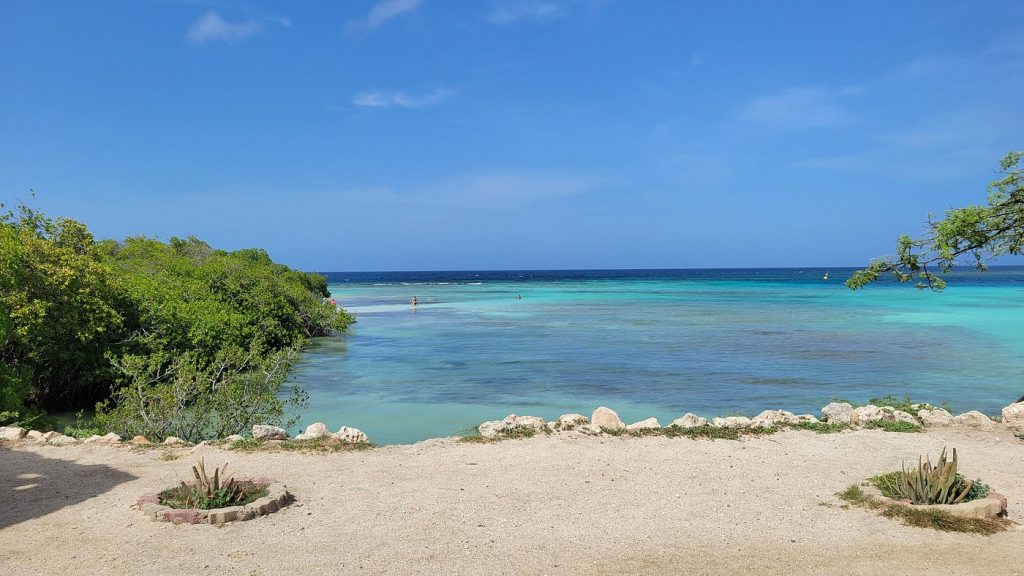
Aruba’s hidden coves are scattered mostly along the island’s less-developed coastlines, especially toward the south and east. These small, tucked-away beaches feel completely different from the open, busy shores. Instead of beach bars and rows of chairs, you’ll find rocky edges, natural formations, and quiet stretches of sand that feel almost untouched.
What makes these coves special is the sense of discovery. Sometimes you’ll need to follow a dirt road, walk a short path, or just trust your instinct that there’s something worth seeing ahead. And more often than not, you’ll end up at a place where it’s just you, the ocean, and the sound of waves.
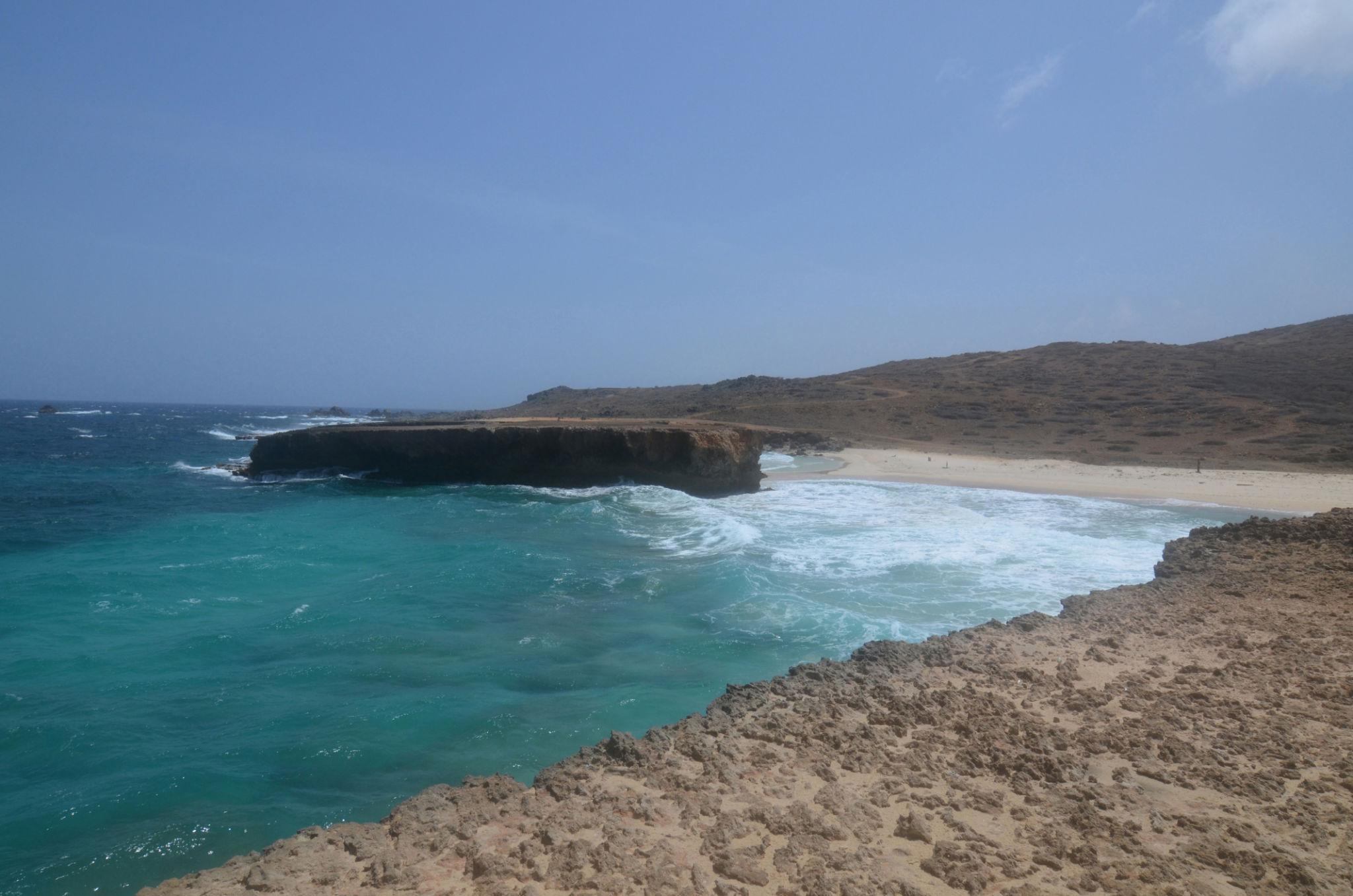
Some of these spots have calm water, while others are more dramatic with stronger waves crashing against the rocks. It really depends on where you go. The southern coves, closer to areas like Mangel Halto, tend to be more relaxed and easier to access, while the eastern side of the island is wilder, with bigger waves and rugged cliffs.
If you’re planning to explore hidden coves, it’s important to come prepared. There are usually no facilities — no shops, no restrooms, and often no shade. Bring plenty of water, sunscreen, and good footwear, especially if you’ll be walking over rocks or uneven terrain.
It’s also worth being cautious with swimming. Not every cove is safe for entering the water. Some areas have strong currents or sharp rocks beneath the surface. If the water looks rough or unpredictable, it’s better to enjoy the view from the shore.
One of the best ways to discover these places without worrying about directions or safety is by joining a guided off-road or coastal tour. These experiences often take you to hidden spots you’d never find on your own, while also giving you some background about the island’s landscape and history.
For photographers, hidden coves are a dream. The contrast between rough rocks, deep blue water, and bright skies creates dramatic scenes that feel completely different from Aruba’s typical beach postcards. Early morning or late afternoon is the best time for capturing these locations at their best.
Exploring Aruba’s hidden coves isn’t about checking off a list — it’s about slowing down and finding your own favorite corner of the island. Some of these places won’t even have names, but they’ll still end up being the highlights of your trip.
If you enjoy places that feel a bit more raw and untouched, this is where Aruba really shows a different side of itself.
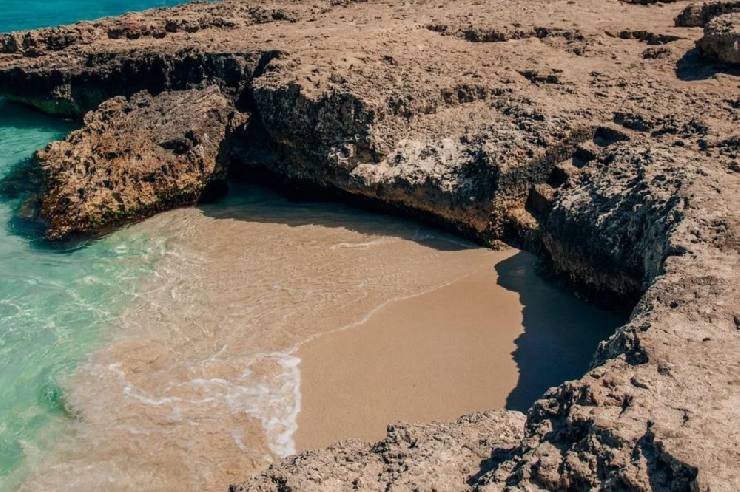
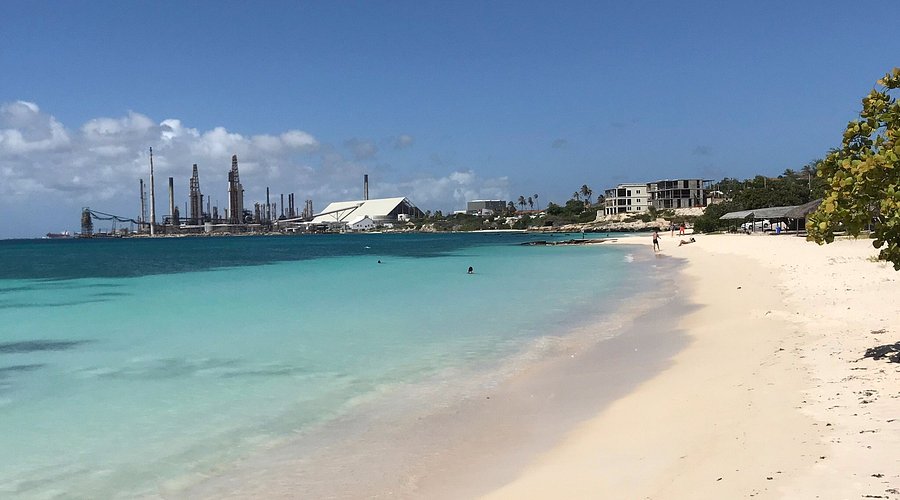
Rodgers Beach is one of those places that most tourists drive past without even realizing what they’re missing. Sitting quietly near Baby Beach on Aruba’s southern coast, it offers a completely different vibe — calmer, quieter, and far less crowded.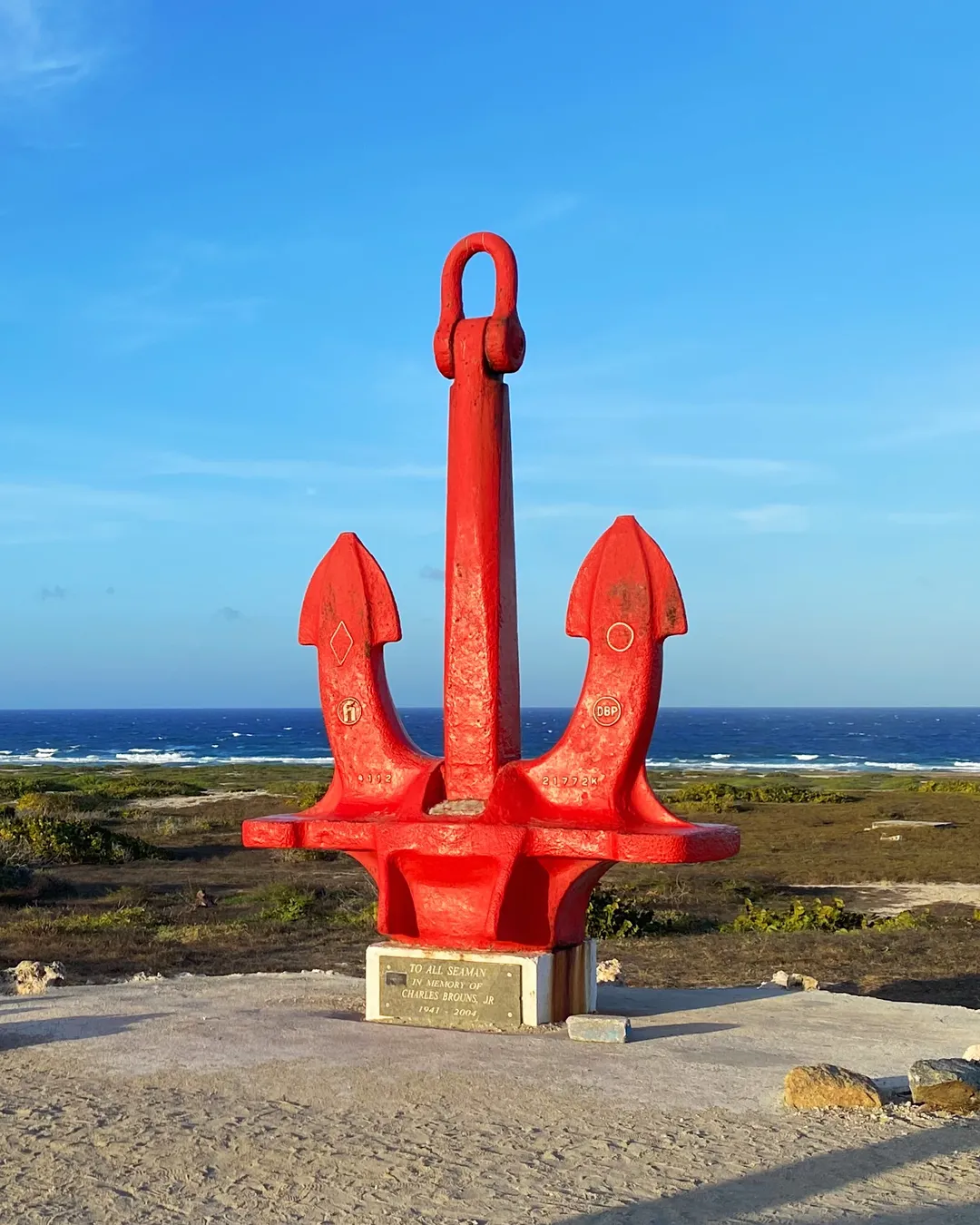
The first thing you’ll notice here is the space. Unlike the more popular beaches, Rodgers Beach often feels almost empty, especially if you come early in the morning or later in the afternoon. It’s the kind of place where you can lay down your towel and hear nothing but the water and the wind.
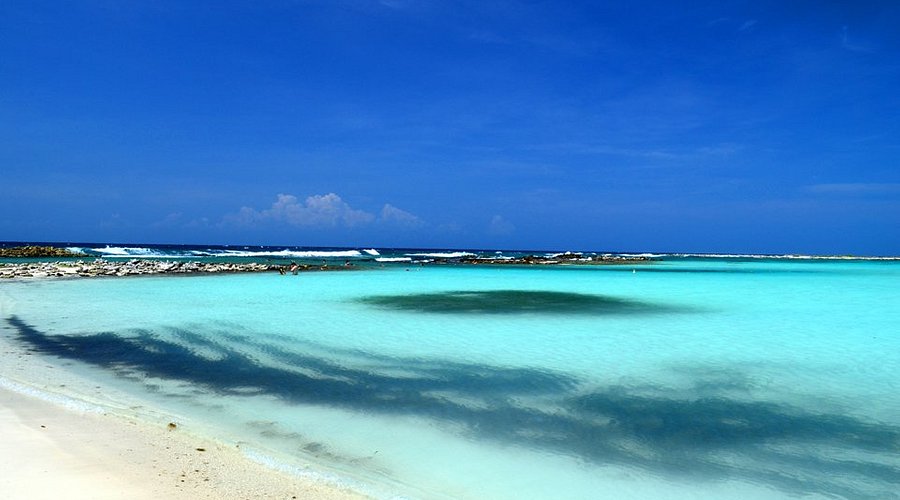
The water is just as calm as nearby Baby Beach, but the atmosphere is more local. You’ll occasionally see fishermen, a few locals enjoying the shade, or someone just sitting by the water doing absolutely nothing. It doesn’t try to impress — and that’s exactly its charm.
One of the most recognizable features of Rodgers Beach is the large red anchor monument nearby. It stands as a reminder of Aruba’s maritime history and gives the area a unique identity. It’s also a great photo spot, especially with the ocean in the background.
Swimming here is easy and relaxed. The shoreline is sandy, and the water stays gentle, making it suitable for a quick dip or just cooling off after exploring the area. While snorkeling isn’t as popular here as it is at Mangel Halto, you can still spot small fish close to shore if you bring a mask.
What makes Rodgers Beach special is how well it pairs with other nearby spots. Many visitors spend time at Baby Beach and then come here when they want a break from the crowds. It’s only a few minutes away, but it feels like a completely different experience.
There aren’t many facilities here, so it’s best to come prepared. Bring water, snacks, and maybe an umbrella if you plan to stay longer. That said, the simplicity is part of the appeal — no noise, no distractions, just a clean stretch of coastline.
If you’re exploring the southern part of Aruba, Rodgers Beach is definitely worth a short stop. It may not be the most famous beach on the island, but sometimes those are the ones you remember the most.
The best time to visit is during the late afternoon, when the sun softens and the whole area takes on a warm, golden tone. It’s also when the beach feels the most peaceful, making it perfect for slowing down before the day ends.
Rodgers Beach isn’t about activities or attractions — it’s about quiet moments. And if you give it a bit of your time, it delivers exactly that.
If you’re looking for a beach in Aruba where you can just walk into the water and relax without thinking twice, Baby Beach is probably the first place locals will mention. It’s one of those spots that instantly feels easy — no waves, no stress, just calm, shallow water stretching out in front of you.
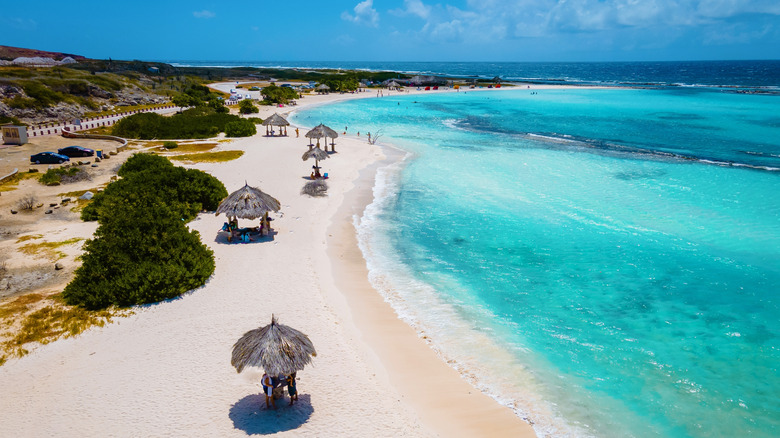
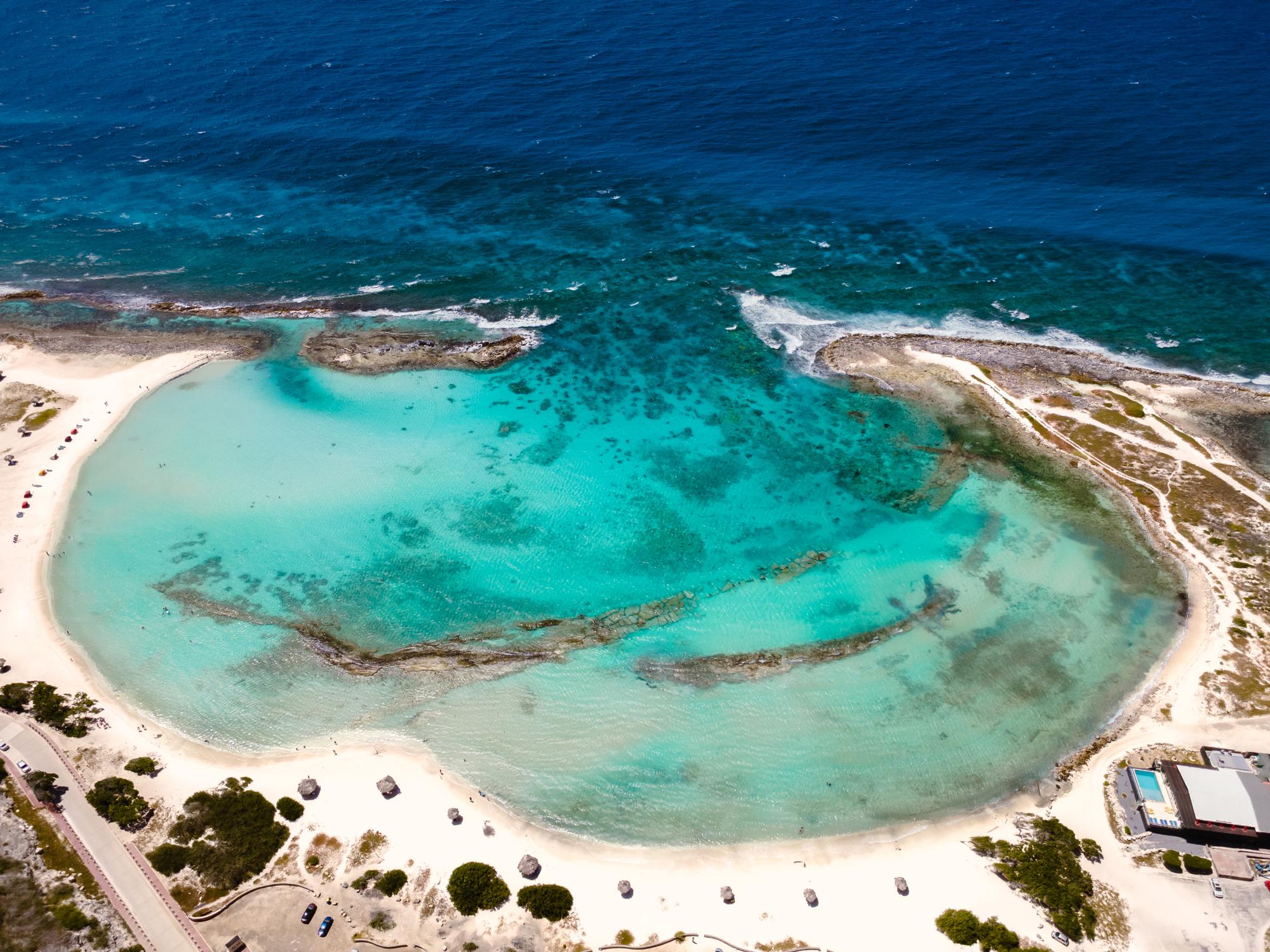
Located on the southern tip of the island, Baby Beach is shaped like a wide half-moon lagoon. The water here stays shallow for a long distance, which makes it perfect for families, beginner swimmers, or anyone who just wants to float around without worrying about currents. You can literally walk far out and still be standing comfortably.
What really stands out is how clear the water is. On a sunny day, the visibility is incredible — you’ll see small fish swimming around your feet even before you think about snorkeling. And if you bring a mask, you’ll quickly realize that there’s more to explore just a bit further out, especially near the edges of the lagoon where the reef begins.
Compared to Mangel Halto, Baby Beach feels a bit more open and social. You’ll usually find more people here, especially families and groups, but it never feels overwhelming. The space is big enough that you can always find your own quiet spot if you walk a little further along the shore.
Snorkeling here is beginner-friendly. The inner lagoon is calm and safe, while more confident swimmers can head toward the outer edges where the reef starts to form. You won’t get the same “hidden” feeling as some other spots, but it’s one of the easiest places on the island to enjoy underwater life without much effort.
There are also more facilities here compared to smaller beaches. You’ll find snack bars, rental spots, and places to grab drinks, which makes it convenient if you plan to spend the whole day. Still, it’s a good idea to bring your own essentials, especially if you want to stay comfortable for hours.
Many visitors combine Baby Beach with a stop at Mangel Halto on the same day. It’s about a 25–30 minute drive, and the contrast between the two is actually really nice — Baby Beach for easy swimming and Mangel Halto for a more secluded, nature-focused experience.
If you want to do more than just relax, this area is often included in guided snorkeling tours around the south coast. These tours usually take you to multiple spots in one trip, making it a simple way to explore without planning too much on your own.
The best time to visit is early in the morning if you want it quieter, or late afternoon when the light softens and the heat drops. Midday is the busiest, but also when the water looks its most vibrant under the sun.
Baby Beach is not about adventure or hidden corners — it’s about comfort. It’s the kind of place where you can spend hours doing nothing, and that ends up being exactly what you needed.
There’s something about Mangel Halto that feels different the moment you arrive. It’s not the kind of beach you stumble upon by accident — you have to know it’s there. Tucked away in a quiet neighborhood in Pos Chiquito, this place feels more like a local secret than a typical Aruba beach.
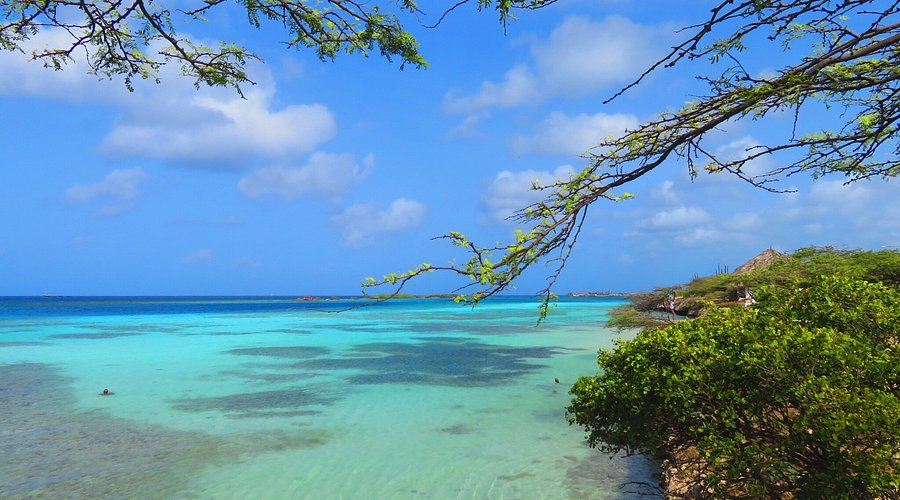
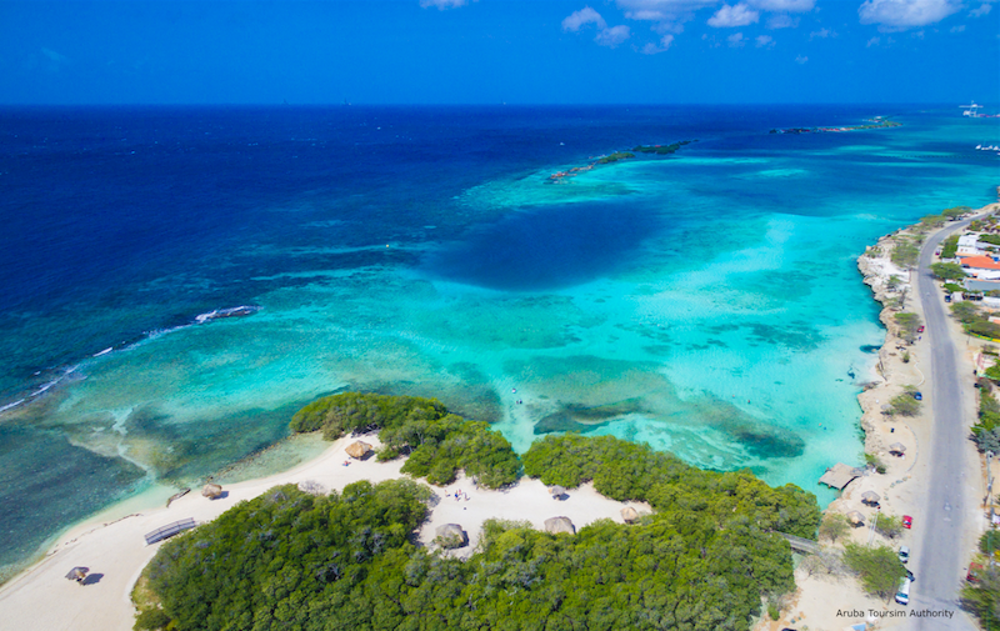
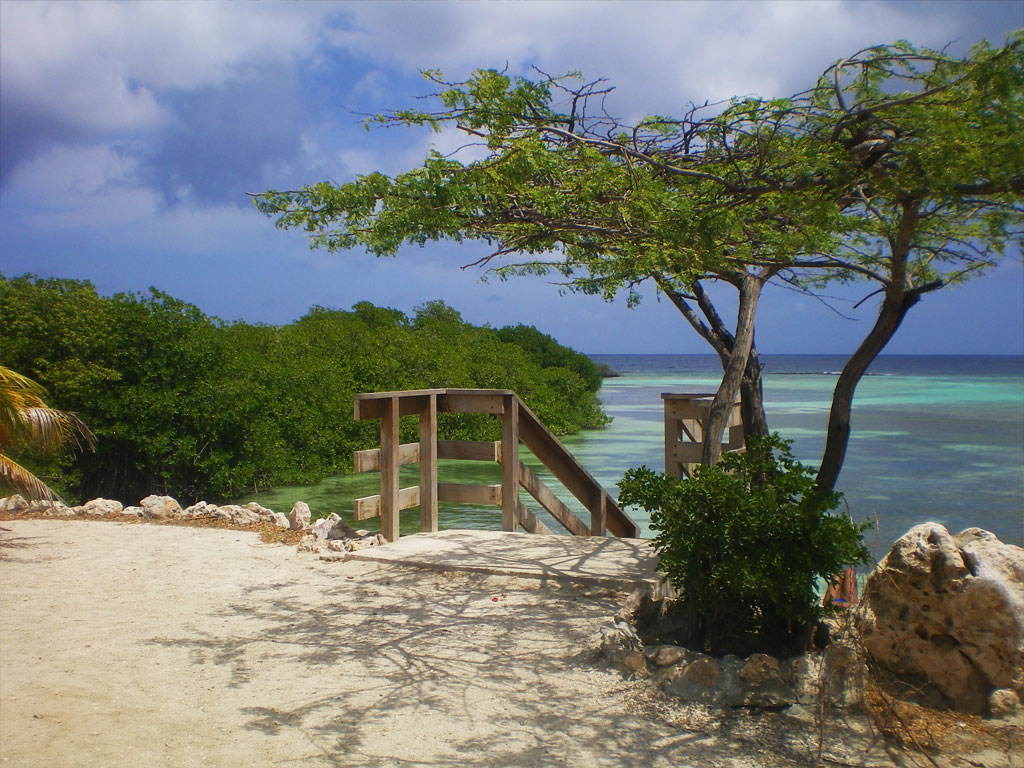
What makes Mangel Halto truly special is the water. You’ll notice it immediately — layers of blues shifting from light turquoise near the shore to deeper shades further out. The lagoon is protected by mangroves and a reef barrier, which keeps the water incredibly calm. It’s the kind of place where you can just float for hours without a single wave disturbing you.
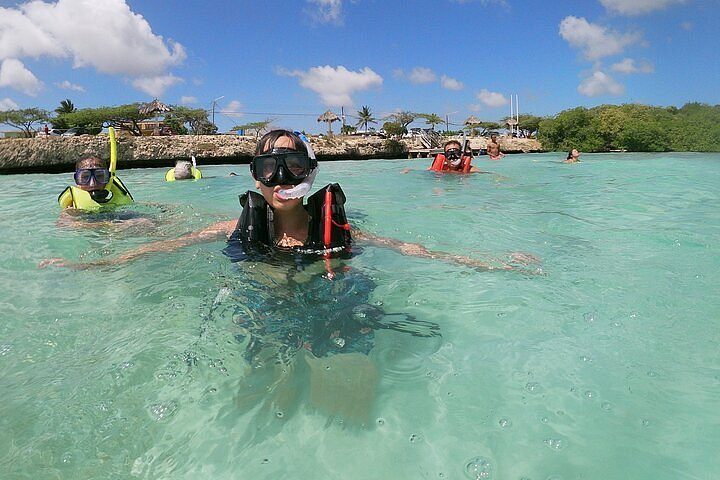
Unlike the more crowded beaches on the island, the atmosphere here is relaxed and unbothered. You’ll see locals setting up picnic spots under the mangroves, couples quietly snorkeling, and maybe a few paddleboarders gliding across the surface. There’s no loud music or big resorts nearby — just nature doing its thing.
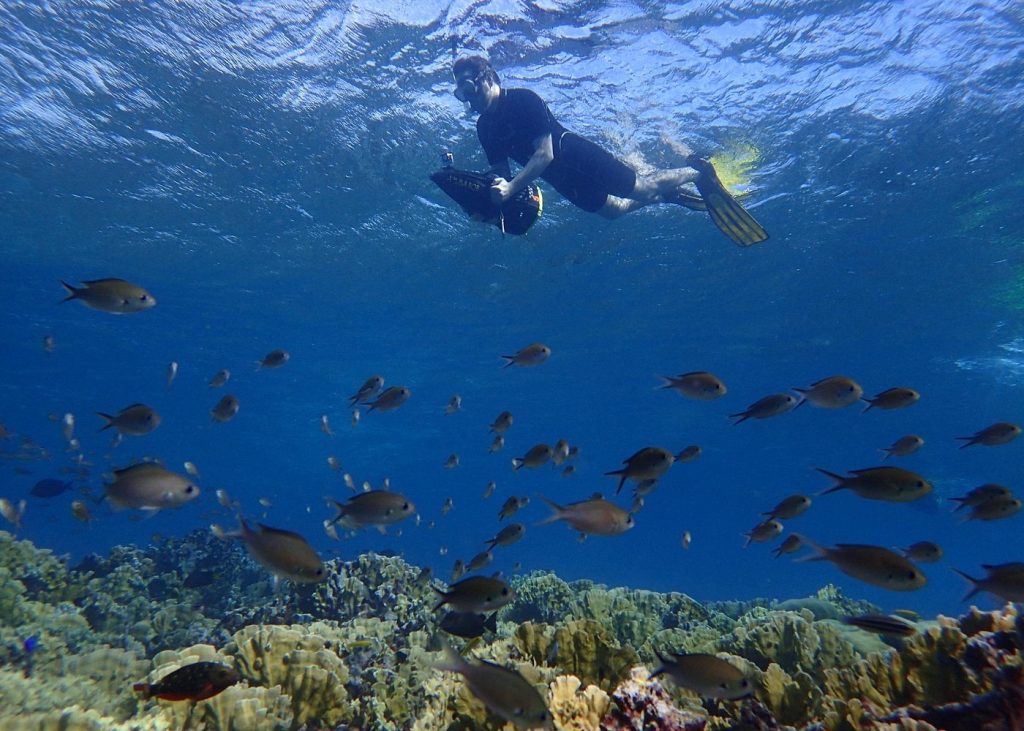
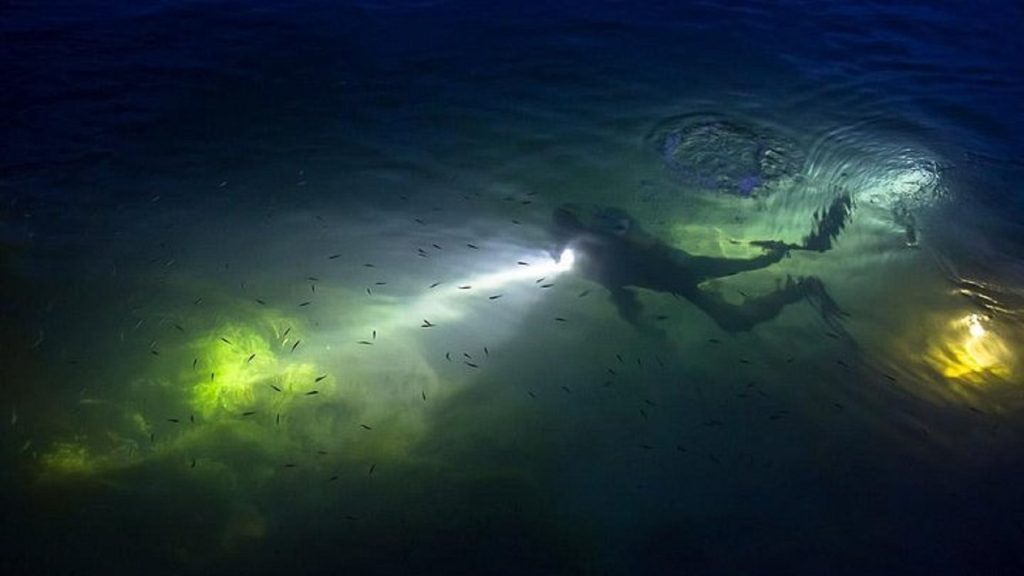
If you’re into snorkeling, this is easily one of the best spots in Aruba. Close to shore, you’ll already spot small fish swimming around seagrass beds. But if you swim a bit further out, especially toward the reef edges, the underwater world really opens up. Expect to see parrotfish, blue tangs, and if you’re lucky, even a moray eel hiding between rocks.
One of the most recognizable features here is the wooden deck stretching slightly over the water. It’s a simple structure, but it gives you one of the best views of the lagoon. Many people come here just to sit, take photos, or watch the sunset — and honestly, sunsets here feel more peaceful than anywhere else on the island.
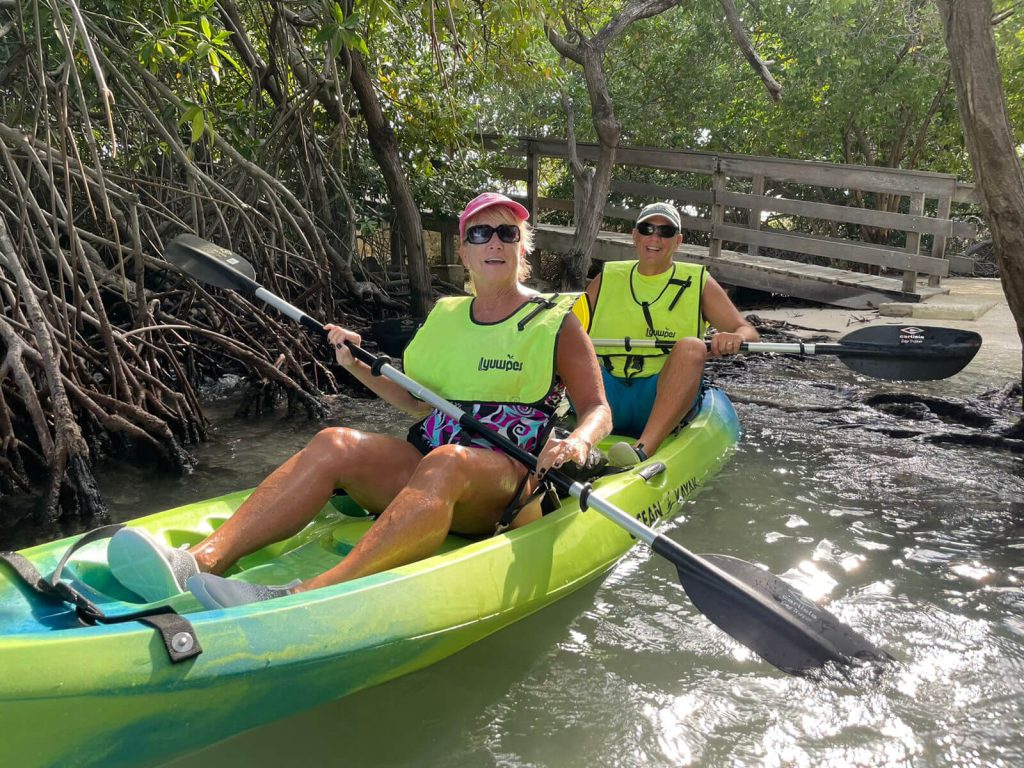
If you want to explore beyond just swimming, a lot of visitors choose to experience the area through kayaking or paddleboarding. One of the best ways to really see the lagoon is by joining a guided kayak and snorkeling tour, where you move through the mangroves and then out toward the reef.
There are a few things worth knowing before you come. First, bring water shoes — parts of the seabed can be rocky. Also, there aren’t many facilities here, so it’s smart to bring your own snacks and water. Shade is available thanks to the mangroves, but sunscreen is still a must.
The best time to visit is early morning or late afternoon. Mornings give you the calmest water and the best visibility for snorkeling, while late afternoon is perfect if you’re chasing that golden sunset light. Midday can get hot, especially if there’s no breeze.
Mangel Halto isn’t about luxury or convenience — it’s about the experience. It’s quiet, natural, and feels real. And that’s exactly why people who discover it tend to come back again.