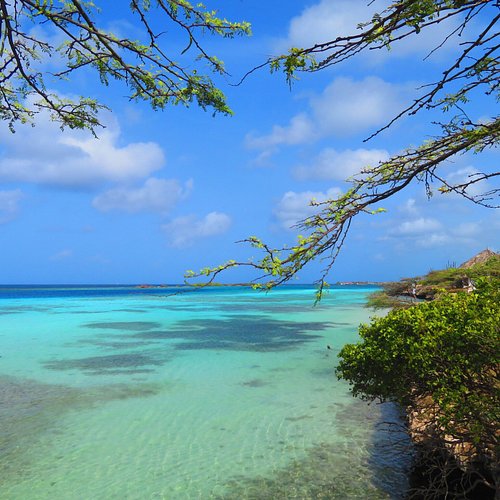
Some of the best places in Aruba are not the ones you’ll find on a map or in a typical travel guide. They’re the small, local spots that don’t have names, signs, or crowds — just simple views and a more relaxed atmosphere.
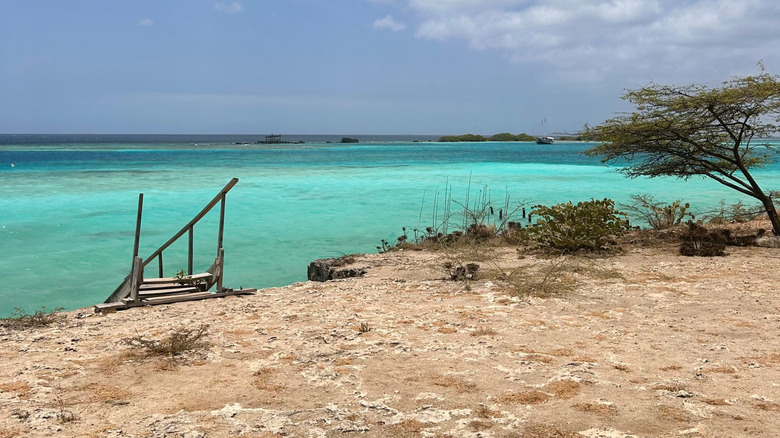
Around the Mangel Halto and Savaneta area, you’ll find plenty of these hidden corners. Small beaches, quiet coastal paths, and simple docks where locals spend time during the day. These places don’t try to stand out, but that’s exactly what makes them special.
One of the easiest ways to discover local spots is just by exploring. Take a short drive, follow a side road, or walk along the coastline. You’ll often come across places where the water is just as clear as the main beaches, but without anyone else around.
Many of these spots are used by locals rather than tourists. You might see someone fishing, a family relaxing in the shade, or a few boats tied near the shore. It’s a more natural, everyday side of the island.
The experience here is very different from the more developed beach areas. There are no beach bars, no rentals, and no facilities. Because of that, it’s important to come prepared with water, snacks, and anything else you might need.
At the same time, this simplicity is what makes these places enjoyable. There’s nothing to distract you — just the environment and the moment.
Some of these spots are also great for quick swimming or relaxing by the water. Others are better for just sitting and taking in the view. It really depends on what you find and what you’re looking for.
You can easily combine exploring local spots with visits to nearby places like Mangel Halto or Spanish Lagoon. It’s all close enough to move between different locations without much effort.
The best time to explore is early morning or late afternoon. The light is softer, temperatures are lower, and the overall atmosphere feels more comfortable.
It’s also important to be respectful. These are not official tourist areas, so it’s good to keep things clean, avoid loud noise, and respect the space if locals are nearby.
Local spots are not about checking off a list or visiting famous places. They’re about finding your own quiet corner of Aruba and enjoying it in your own way.
And sometimes, those unplanned moments end up being the most memorable ones.
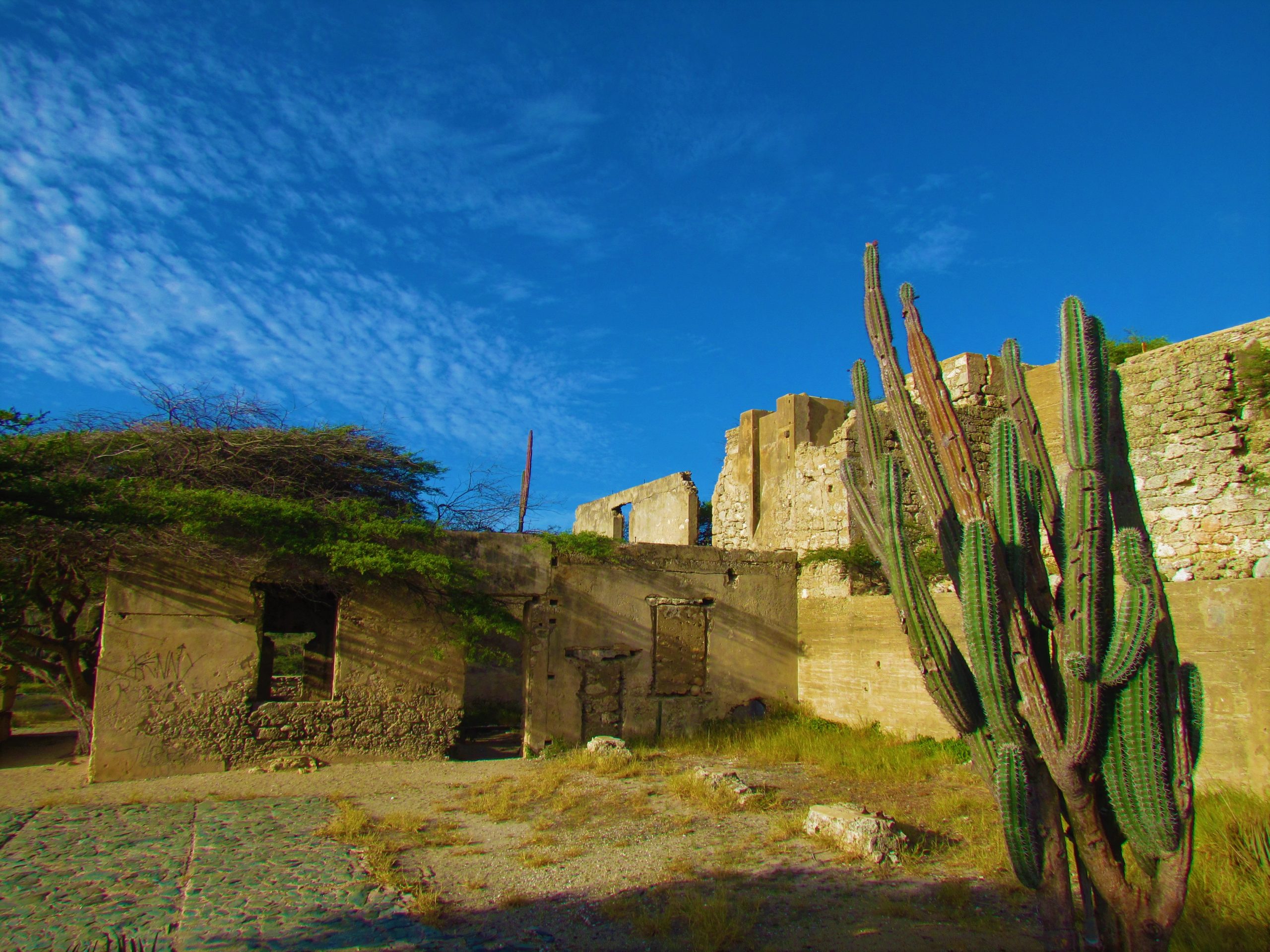
Balashi Gold Mill is one of those places in Aruba where history and landscape come together in a simple but interesting way. At first, it might look like just a few old stone ruins. But once you know the story behind it, the place feels completely different.
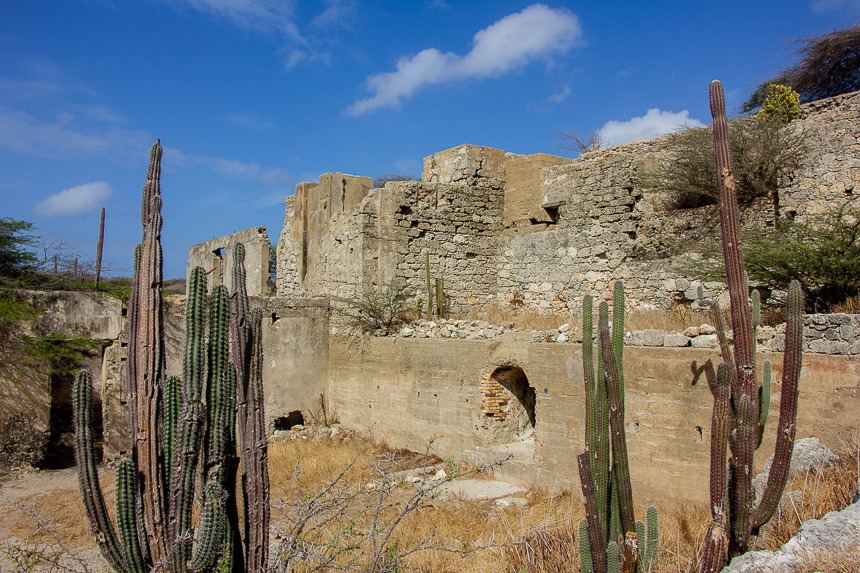
Located near Spanish Lagoon, these ruins are part of Aruba’s gold mining past. Gold was discovered on the island in the 19th century, and Balashi became one of the main places where it was processed.
Today, what remains are parts of the old smelter — stone walls, arches, and structures that have been here for decades. They sit among cacti and open land, which makes the whole area feel quiet and slightly isolated.
Walking through the ruins is easy and doesn’t take much time. Still, it’s worth slowing down. You can look at the structures, imagine how the site once worked, and take in the views around you.
One of the best things about Balashi Gold Mill is how accessible it is. There are no tickets, no fences, and no crowds. You can walk right up to the ruins and explore freely.
It’s also a great place for photography. The mix of old stone walls, dry landscape, and bright blue sky creates a look that feels very different from Aruba’s beaches.
If you walk a bit further or climb slightly higher, you can see Spanish Lagoon in the distance. This adds another layer to the experience and shows how close history and nature are in this part of the island.
Many visitors combine this stop with nearby places like Frenchman’s Pass or Mangel Halto. Everything is close, so it’s easy to include in your route.
The best time to visit is early morning or late afternoon. The light is softer, temperatures are lower, and the area feels more comfortable. Midday can be very hot, especially with little shade around the ruins.
There are no facilities here, so it’s a good idea to bring water and wear comfortable shoes. The ground can be uneven in some spots.
Balashi Gold Mill isn’t a long stop, but it adds something different to your trip. It gives you a glimpse into a part of Aruba’s history that many people overlook.
And sometimes, those small pieces of history are what make a place more interesting than expected.
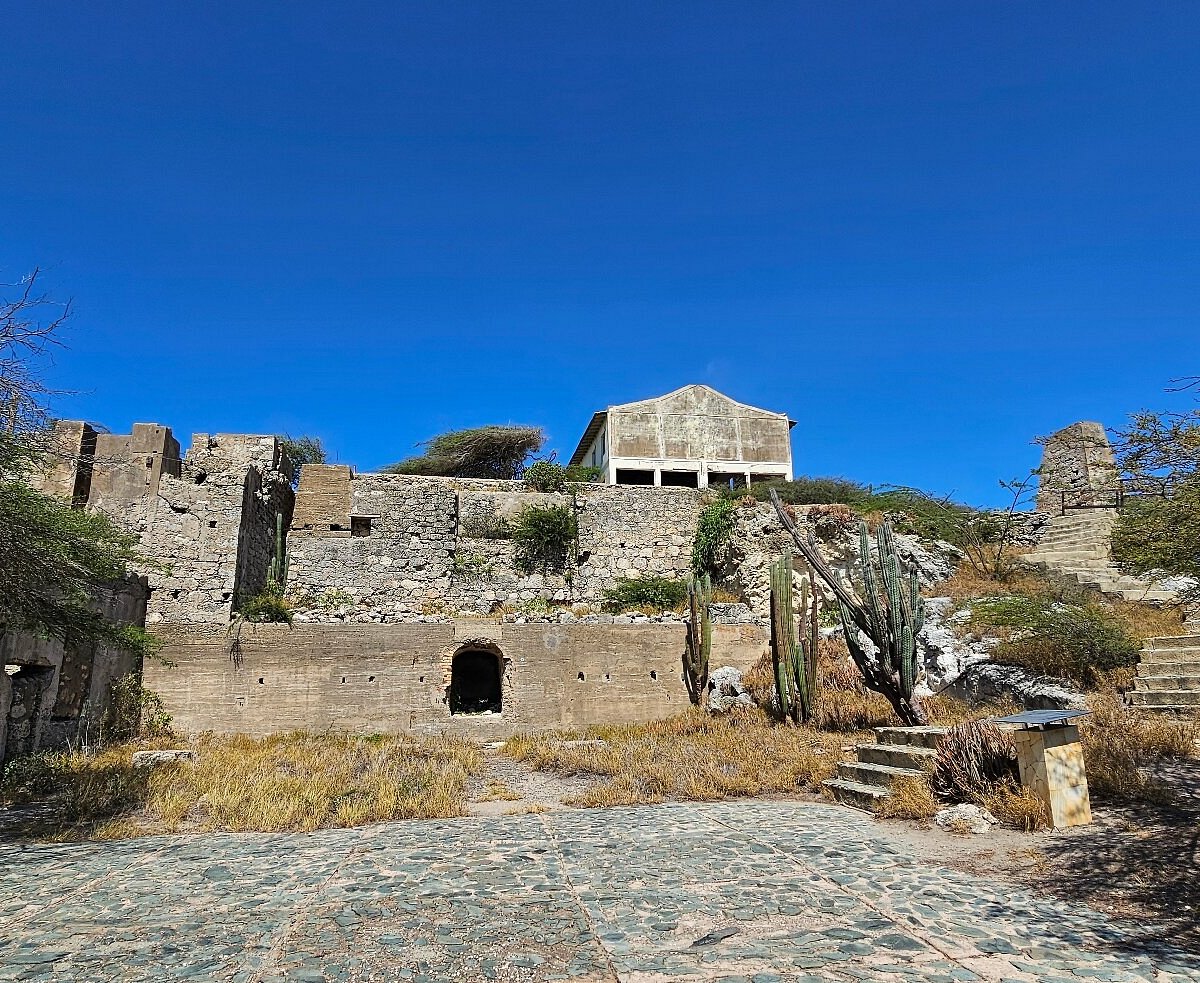
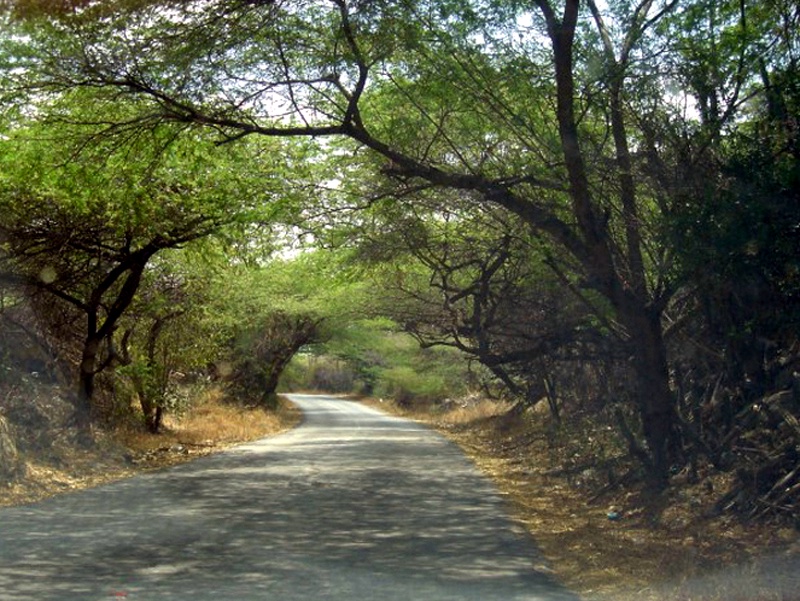
Frenchman’s Pass is one of those places in Aruba that you could easily drive through without realizing its history. At first glance, it looks like a simple road cutting through rocky hills, but there’s more to it than meets the eye.
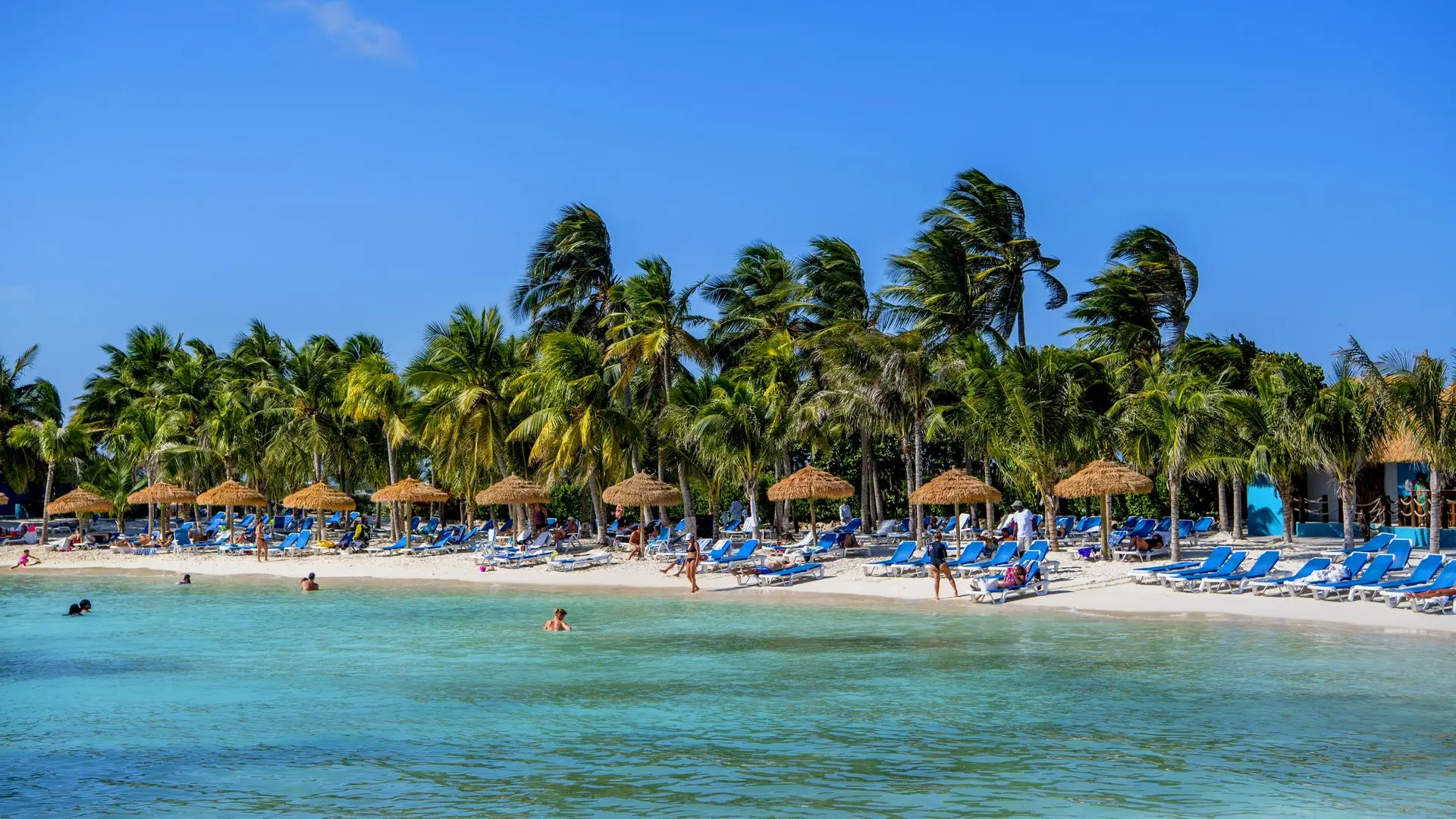
Located just above Spanish Lagoon, this narrow pass — known locally as Rooi Frances — carries a story that goes back centuries. According to local legend, this is where French pirates once attempted to cross the island, only to be stopped by the native Caquetío people.
The story says that the pirates tried to move through this pass to reach the lagoon, but the locals defended the area. Some versions of the legend mention a group hiding in a cave nearby, while others talk about a sudden attack that stopped the pirates from moving forward.
Whether every detail is true or not, the story adds a different feeling to the place. It’s no longer just a road — it becomes a location tied to Aruba’s past, where something significant may have happened.
Today, the area is quiet and easy to visit. You can drive through the pass in just a few minutes, or stop nearby to take in the view. From certain points, you can see Spanish Lagoon stretching out below, surrounded by mangroves and open landscape.
It’s also a nice stop if you’re exploring the southern part of the island. Many people visit Spanish Lagoon or Mangel Halto and don’t realize this spot is just a short distance away.
If you’re into photography, the landscape here offers something different from the beaches. The rocky terrain, open sky, and elevated views create a more rugged look that contrasts with the calm coastal areas nearby.
There’s no entrance fee, no facilities, and no crowds. It’s just a simple place with a bit of history and a good view.
The best time to stop here is either early in the morning or late afternoon, when the light is softer and the heat is less intense. Midday can be quite hot, especially with little shade around.
Frenchman’s Pass isn’t a major attraction, but that’s exactly why it’s worth visiting. It’s quick, easy, and adds a layer of history to your trip that most people overlook.
Sometimes, it’s these small stops that make the overall experience feel more complete.
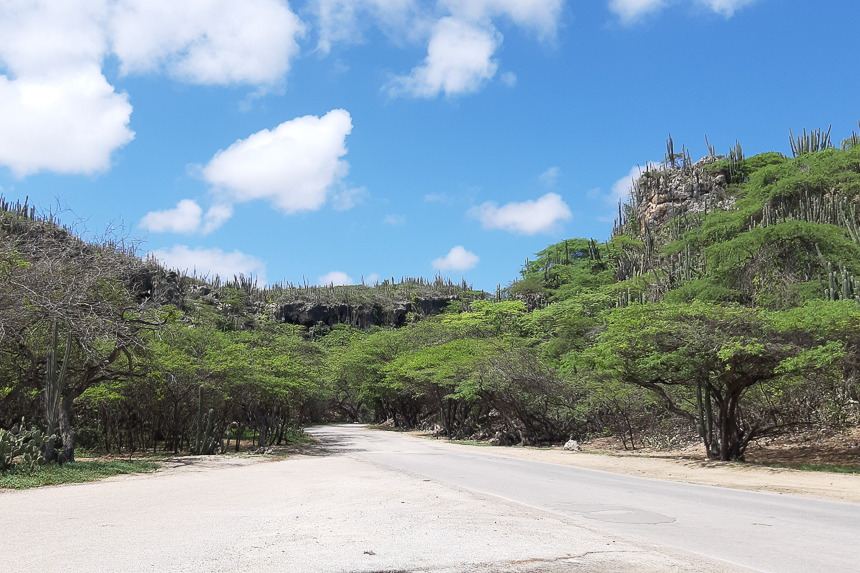
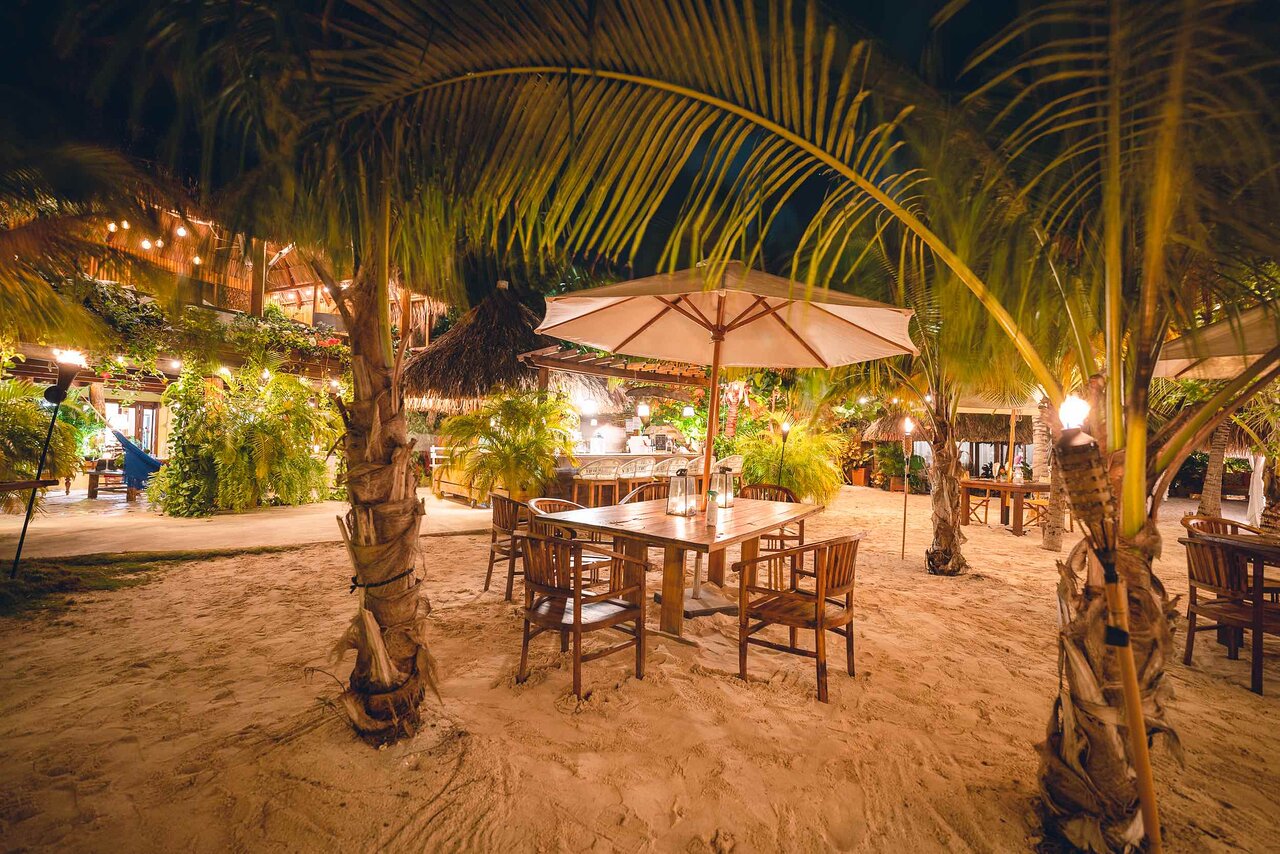
Savaneta is one of those places in Aruba that feels like it hasn’t changed much over time. Most visitors stay near the resort areas, but this small coastal village offers a completely different side of the island.
Located just a short drive from Mangel Halto, Savaneta is known as Aruba’s oldest town. It was once the island’s capital, and even today you can still feel that history in the quiet streets and simple seaside homes.
The first thing you’ll notice is how calm everything feels. There are no large hotels, no big crowds, and no rush. Instead, you’ll see small houses by the water, local fishermen going about their day, and a slower pace that feels more real.
One of the best things to do here is simply walk along the coastline. You’ll pass small docks, boats tied near the shore, and clear water stretching out in front of you. It doesn’t feel like a tourist area — it feels like everyday life.
This is also one of the best places to try local food. Spots like Zeerover are well known, but there are also smaller places where locals go for fresh seafood and simple meals.
If you visit early in the morning, you might see fishermen bringing in their catch. It’s a small moment, but it shows how connected this area still is to the sea.
You can easily combine Savaneta with other nearby places. For example, you might spend some time here, then head to Mangel Halto for swimming or snorkeling. Another option is to explore Spanish Lagoon for something more focused on nature.
There’s no need for a strict plan here. In fact, it’s better without one. Just walk around, take your time, and let the place unfold naturally.
It’s also important to know that this area is not built for tourism like other parts of Aruba. Because of that, there are fewer facilities, but the atmosphere feels much more genuine.
If you’re looking for a side of Aruba that feels real and unfiltered, Savaneta is definitely worth visiting.
Sometimes, the places that don’t try too hard are the ones you remember the most.