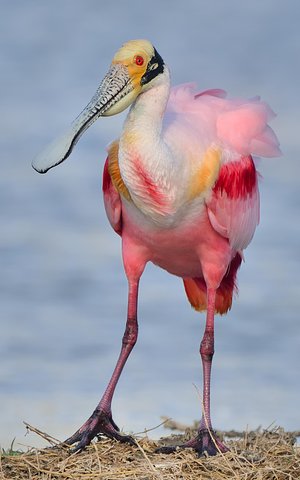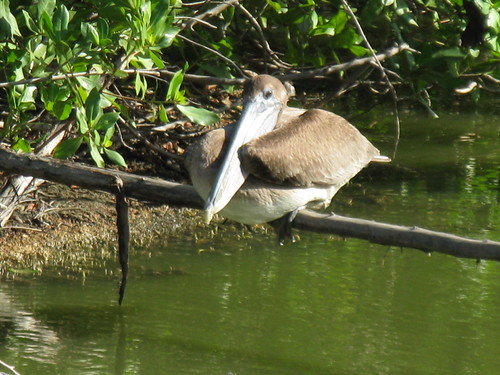
When people think about Aruba, bird watching is usually not the first thing that comes to mind. But if you spend a bit of time around Spanish Lagoon and the mangrove areas near Mangel Halto, you’ll quickly realize how much wildlife is actually here.
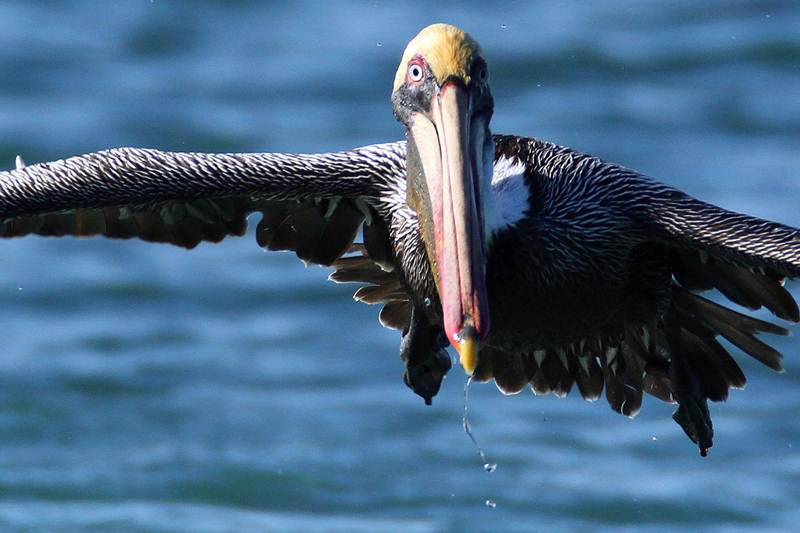
This part of the island offers one of the best environments for birds. The mangroves create a natural shelter where different species can feed, rest, and nest. Because of this, the area attracts both local birds and migratory species throughout the year.
You don’t need to go far to start spotting them. A simple walk along the lagoon or even just standing quietly near the water can be enough. Herons are often the easiest to see — standing still in shallow water, waiting for fish. Pelicans are also common, usually diving into the water or resting nearby.
If you pay closer attention, you’ll notice smaller birds moving quickly between the mangrove branches. Some are harder to identify, but that’s part of the experience. It turns a simple walk into something more engaging.
Early morning is by far the best time for bird watching here. The area is quieter, temperatures are lower, and birds are more active. Late afternoon can also be good, especially as the light becomes softer and the lagoon reflects the sky.
You don’t need special equipment, but a pair of binoculars can make a big difference. It allows you to observe birds from a distance without disturbing them, especially in areas where they’re more sensitive.
One of the nice things about bird watching in Aruba is how accessible it is. You don’t need to hike deep into nature reserves or travel far. Spots like Spanish Lagoon are just a short drive away, making it easy to include this in your day.
Many visitors combine this experience with other activities nearby. For example, you might spend the morning kayaking through the mangroves and then take some time to walk around and look for birds. It’s a simple way to enjoy the area from different perspectives.
It’s also important to be respectful of the environment. Avoid making loud noises, don’t get too close to nesting areas, and try not to disturb the natural habitat. The quieter you are, the more you’ll see.
Bird watching here isn’t about checking off a list of species. It’s more about slowing down and noticing details you might otherwise miss. And in a place like Aruba, that’s a different kind of experience that many people don’t expect.
If you’re looking for something calm and a bit more connected to nature, this is definitely worth adding to your time around Mangel Halto.