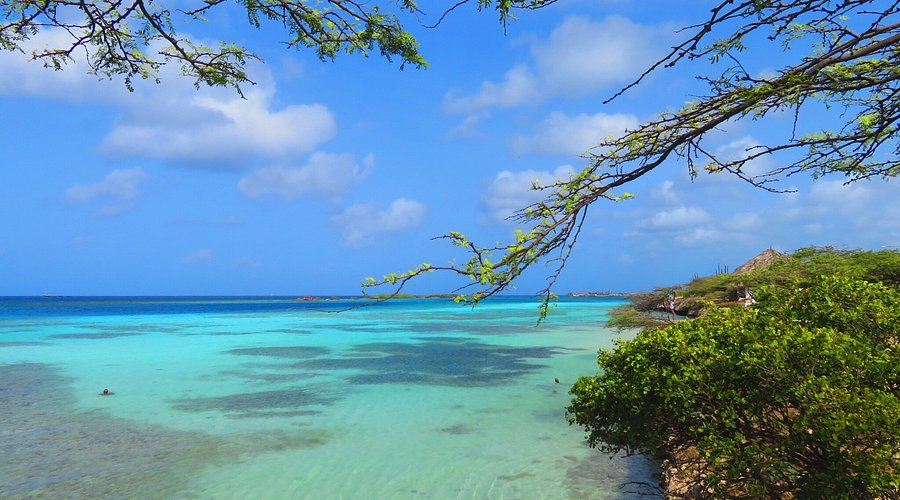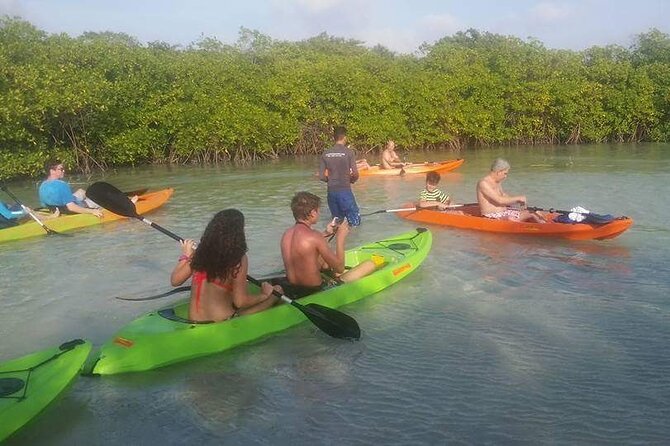
If you want to experience a different side of Aruba — something quieter, closer to nature, and far from crowded beaches — mangrove kayaking is one of the best things you can do.
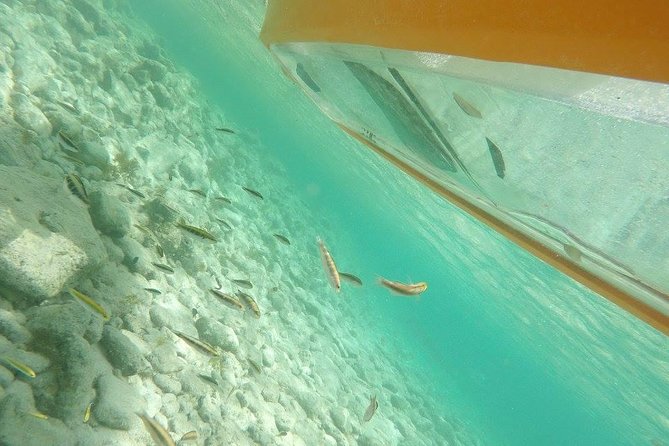
The area around Spanish Lagoon is perfect for this. The water is calm, protected, and easy to navigate, even if you’ve never been in a kayak before. There are no strong waves, no open ocean conditions — just smooth water winding through mangrove channels.
As soon as you start paddling, everything slows down. The noise disappears, and you’re left with the sound of water moving around your kayak and birds in the distance. It’s a completely different atmosphere compared to the typical beach experience.
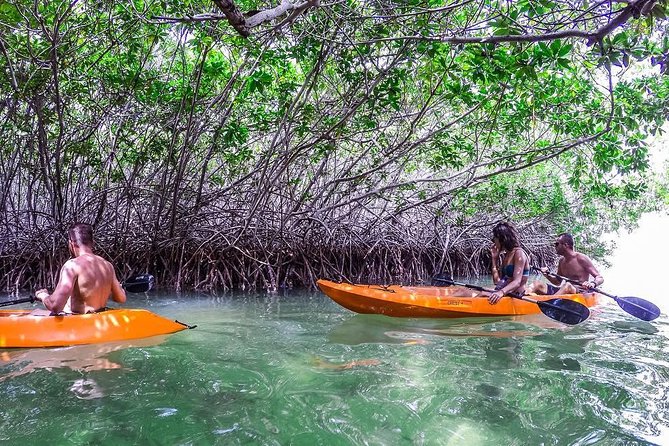
One of the highlights is moving through the mangrove tunnels. These natural pathways feel almost hidden, with branches creating shaded corridors over the water. In some areas, the water is so clear that you can see fish swimming beneath you as you glide forward.
Many tours combine kayaking with snorkeling, which makes the experience even better. After paddling through the lagoon, you’ll usually stop near the reef at Mangel Halto, where you can get into the water and explore marine life.
This combination is what makes mangrove kayaking so popular. You’re not just staying in one place — you’re moving through different environments, from quiet mangroves to open reef areas.
You don’t need much experience to join. Most tours provide everything, including the kayak, life vest, and snorkeling gear. Guides also give basic instructions before you start, so even beginners can feel comfortable.
If you prefer to explore on your own, kayak rentals are sometimes available, but going with a guided experience has its advantages. You won’t have to worry about navigation, and you’ll learn more about the area along the way.
The best time to go is early morning or late afternoon. These times offer cooler temperatures and calmer conditions, making the experience more enjoyable. Midday can be hot, especially under direct sun.
There are a few simple tips to keep in mind. Wear comfortable clothing that can get wet, bring water, and use sun protection. A waterproof bag is also useful if you want to keep your phone or camera safe.
Many visitors choose to explore this area through a guided kayak and snorkeling tour, which is one of the easiest and most enjoyable ways to experience both the lagoon and the reef in one trip.
Mangrove kayaking isn’t about speed or excitement — it’s about the experience. It’s slow, peaceful, and surprisingly memorable, especially if you’re looking for something beyond the usual beach day.
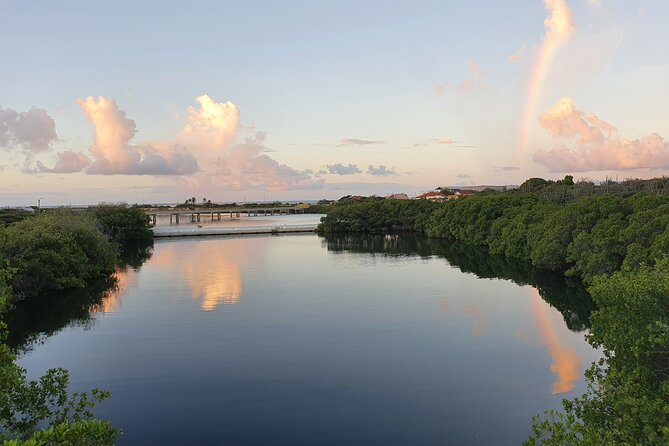
Spanish Lagoon, or Spaans Lagoen as locals call it, is one of those places in Aruba that feels completely different from the beaches most visitors come for. It’s quieter, greener, and more about nature than sunbathing.
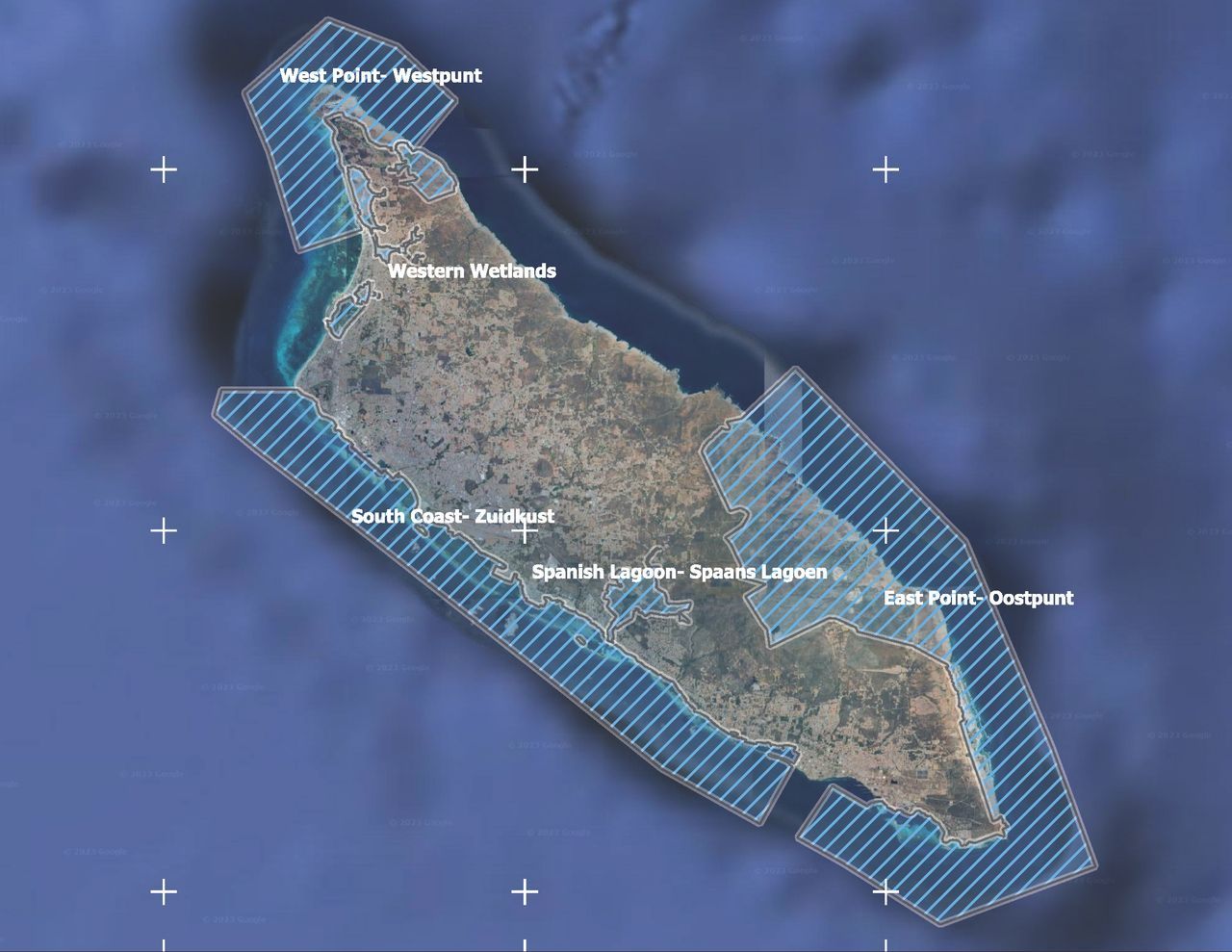
Located just a few minutes from Mangel Halto, this lagoon is surrounded by dense mangroves that create a calm, protected environment. The water here is still and reflective, often acting like a mirror, especially in the early morning. It’s the kind of place where everything slows down.
What makes Spanish Lagoon special is its ecosystem. The mangroves are not just trees — they’re a natural nursery for marine life. Fish, crabs, and other small creatures use the roots for shelter, while birds use the area for feeding and nesting.
If you take a walk along the edges of the lagoon, you’ll quickly notice how alive the area is. You might see herons standing still in the shallow water, pelicans diving nearby, or smaller birds moving between the branches. It’s one of the best spots in Aruba for bird watching.
There’s also a strong sense of history here. Spanish Lagoon is believed to have been one of the first landing spots for explorers arriving on the island centuries ago. Today, it still feels like a hidden entry point — quiet, slightly mysterious, and far from the busy tourist zones.
One of the best ways to experience the lagoon is by kayak. Paddling through the mangroves gives you a completely different perspective. You move slowly through narrow water paths, often close enough to touch the roots, while the water beneath you stays clear and calm.
Many visitors combine this with snorkeling near Mangel Halto, since the two locations are so close. It’s an easy way to experience both the natural and underwater sides of the area in one trip.
If you prefer to stay on land, there are simple walking paths around parts of the lagoon. They’re not heavily developed, but that’s part of the charm. You’re not walking through a tourist attraction — you’re exploring a natural space.
The best time to visit is early morning or late afternoon. That’s when the light is softer, the temperatures are lower, and wildlife is more active. Midday can be hot and quiet, especially if there’s no breeze.
There are no major facilities here, so it’s important to come prepared. Bring water, wear comfortable shoes, and don’t forget insect repellent, especially if you plan to stay longer near the mangroves.
Spanish Lagoon isn’t about dramatic views or busy activity. It’s about calm, detail, and taking your time. And if you give it that time, it becomes one of the most memorable places on the island.
Snorkeling in Aruba is one of those experiences that’s surprisingly easy to enjoy, even if you’ve never done it before. The island’s clear water, calm conditions, and accessible reefs make it one of the best places in the Caribbean to get started.
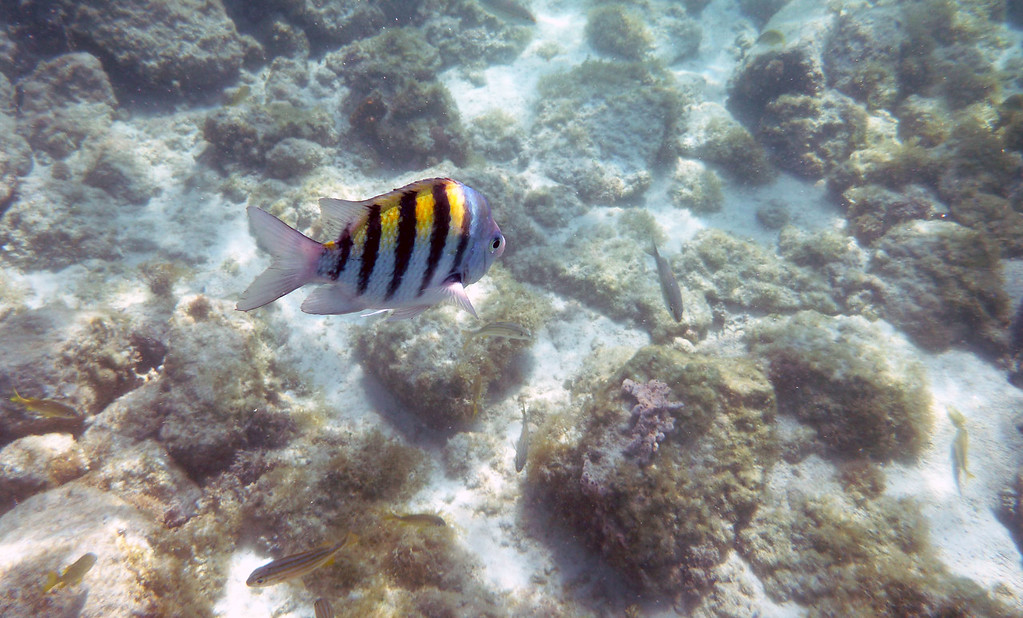
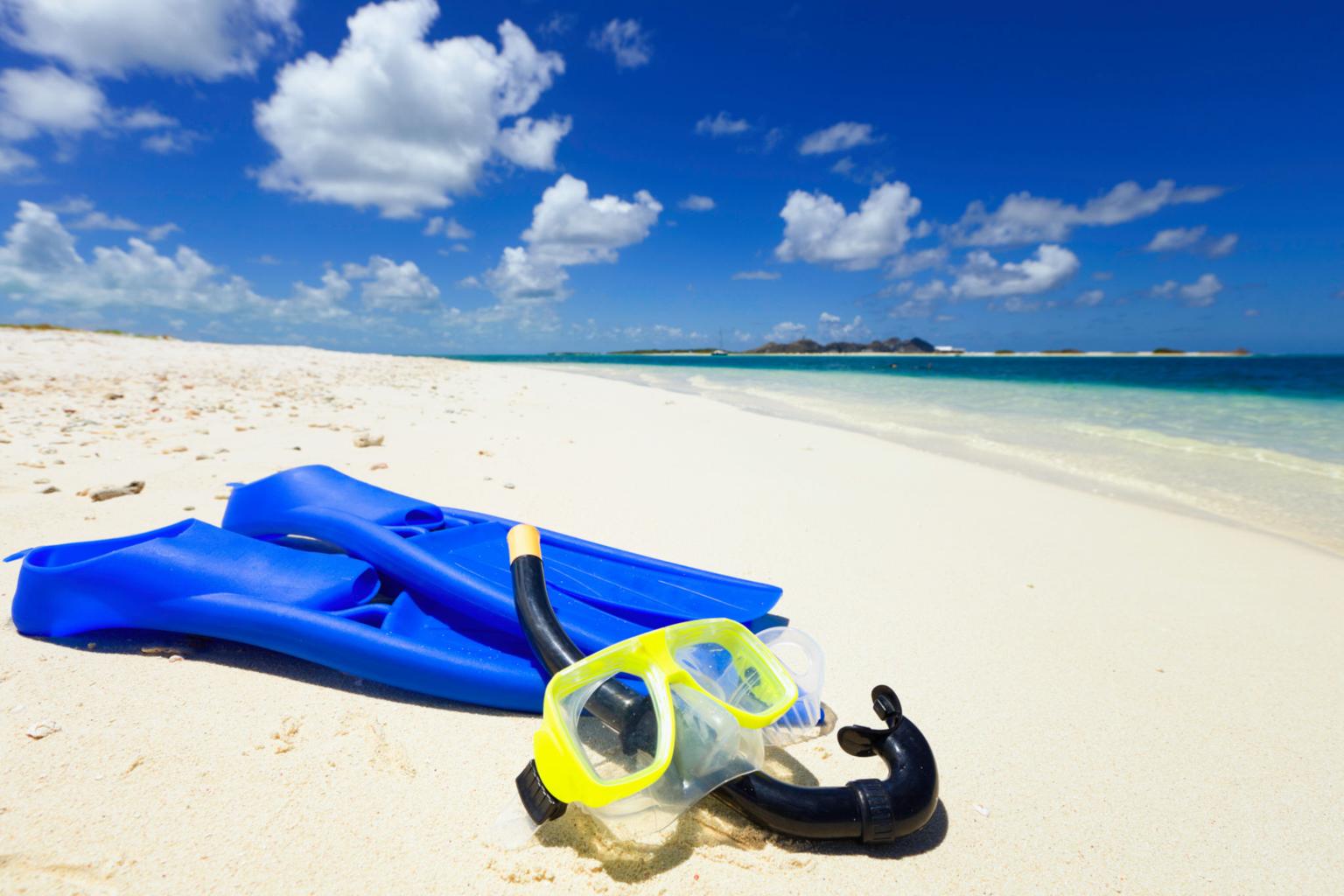
If you’re planning your first snorkeling trip here, you don’t need much. A basic mask, snorkel, and fins are enough to explore a completely different world just a few meters from the shore. In many places, you can simply walk into the water and start seeing fish almost immediately.
One of the best areas to snorkel is around Mangel Halto. The calm lagoon makes it perfect for beginners, while the outer reef offers something more interesting for those who want to go further. It’s a great place to ease into the experience before exploring more advanced spots like reef cuts or deeper channels.
Another popular location is Baby Beach, especially for those who want a very relaxed and safe environment. The shallow water makes it easy to stay comfortable, and you’ll still see plenty of small fish around the lagoon edges.
If you’re looking for something a bit different, exploring areas like the tugboat wreck adds a unique twist to your snorkeling day. It’s not just about fish and coral — it’s about discovering something unexpected underwater.
Timing can make a big difference. Early mornings are usually the best for snorkeling in Aruba. The water tends to be calmer, visibility is better, and there are fewer people around. By midday, conditions are still good, but it can get more crowded depending on the location.
There are a few things worth keeping in mind before you go. Always use reef-safe sunscreen to protect both your skin and the coral. Avoid standing on the reef, even in shallow areas, as it can easily be damaged. And if you’re heading further out, wearing fins will help you move more efficiently and stay safe.
For those who prefer a more guided experience, many visitors choose to join snorkeling tours. These tours often combine multiple locations in one trip and provide equipment, instructions, and local knowledge. It’s a simple way to explore without having to figure everything out on your own.
Another great option is combining snorkeling with kayaking. Some tours take you through mangrove areas before reaching the reef, giving you a different perspective of the island both above and below the water.
If you’re bringing your own gear, make sure it fits properly. A good mask seal makes all the difference. If it leaks, it can quickly become frustrating. Rental gear is widely available, but it’s always worth checking the quality before heading out.
Snorkeling in Aruba doesn’t require planning every detail. In fact, part of the fun is how easy and spontaneous it can be. You might start your day at one beach and end up discovering a completely different spot just by following the coastline.
Whether you’re floating in a calm lagoon or exploring a reef edge, the experience is always a bit different. And that’s what keeps people coming back — there’s always something new to see just below the surface.
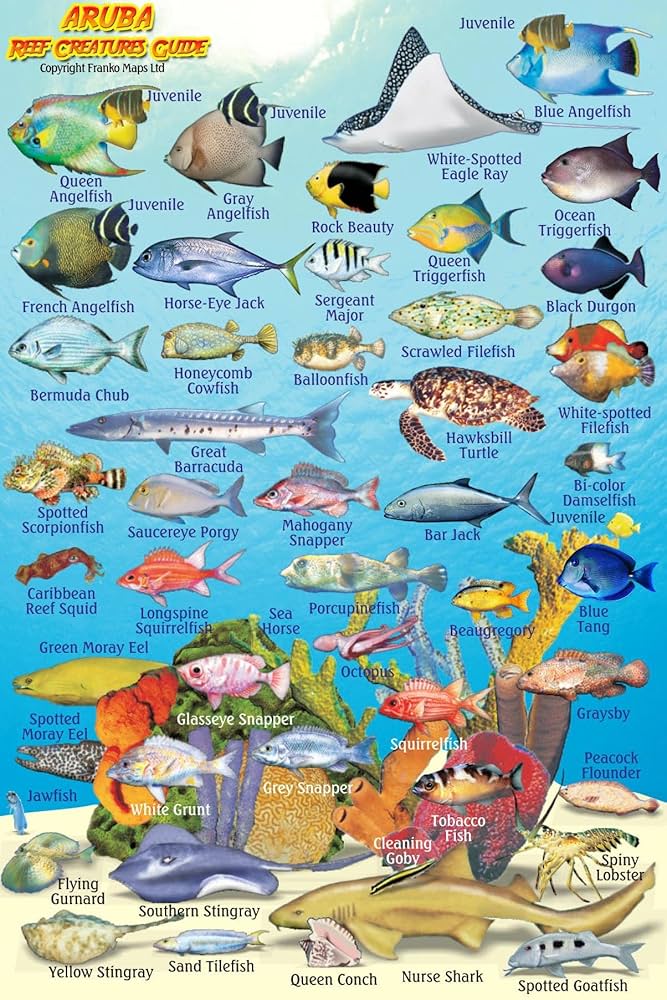
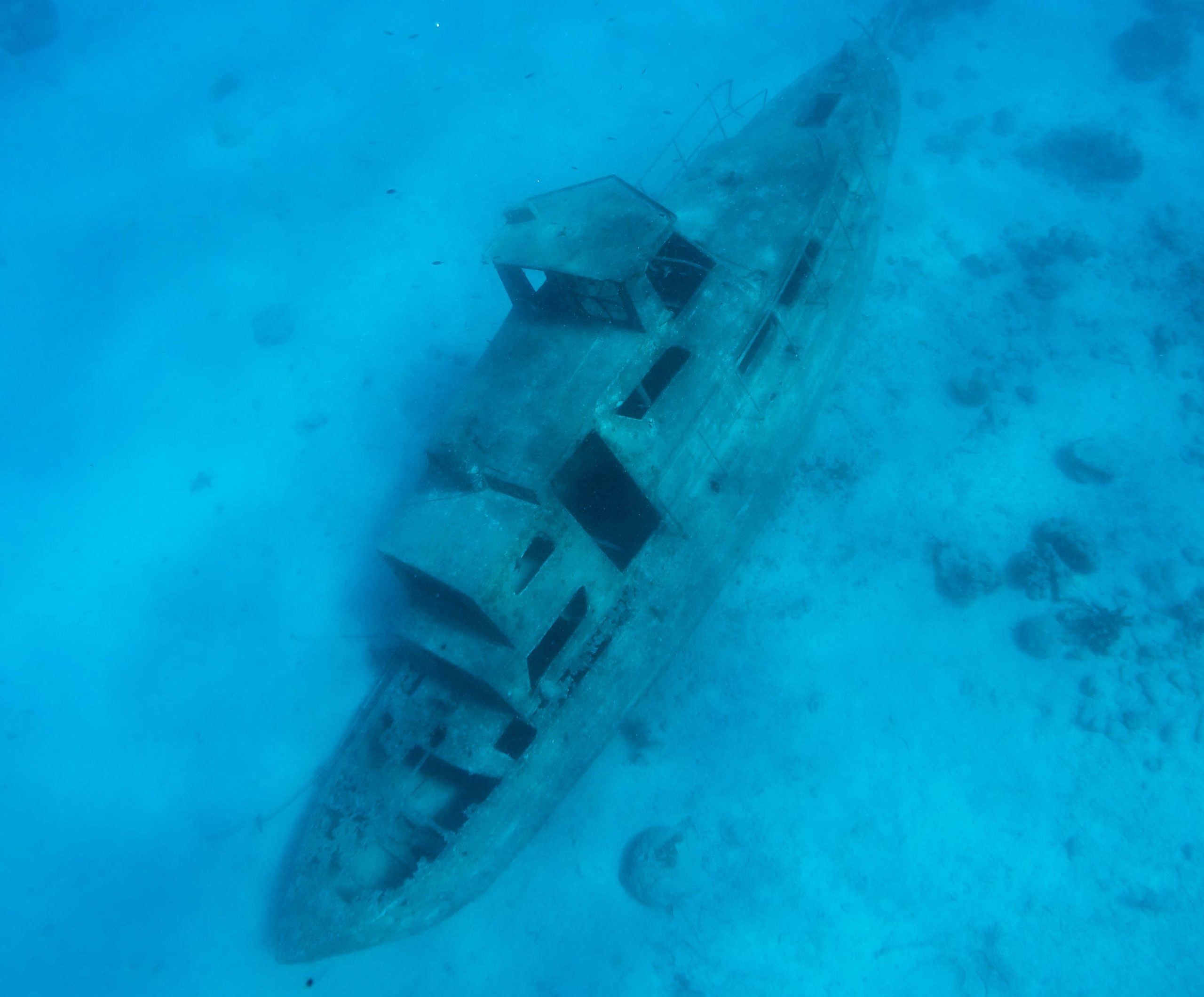
Not far from the calm waters of Mangel Halto, there’s a spot that adds a completely different kind of experience to your snorkeling day — a sunken tugboat resting quietly beneath the surface.
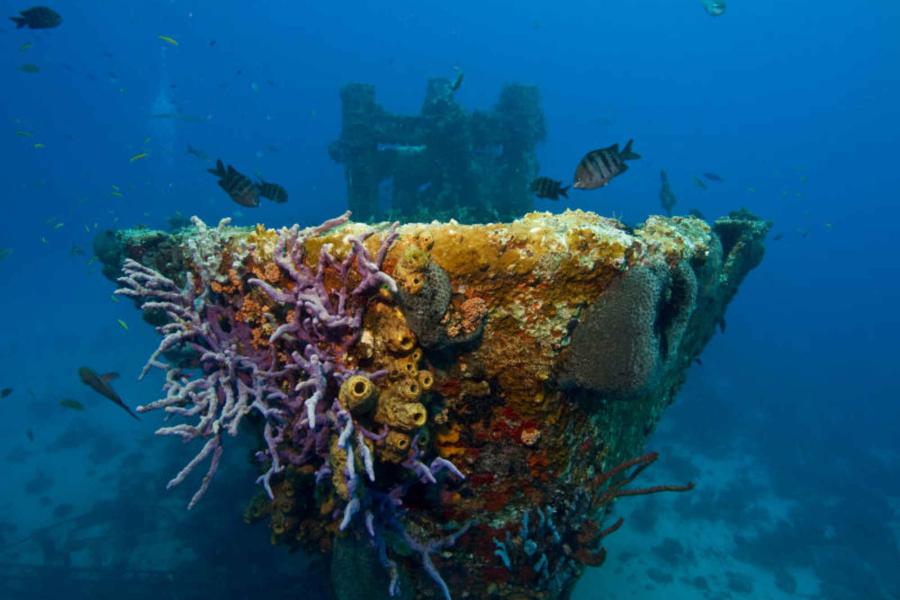
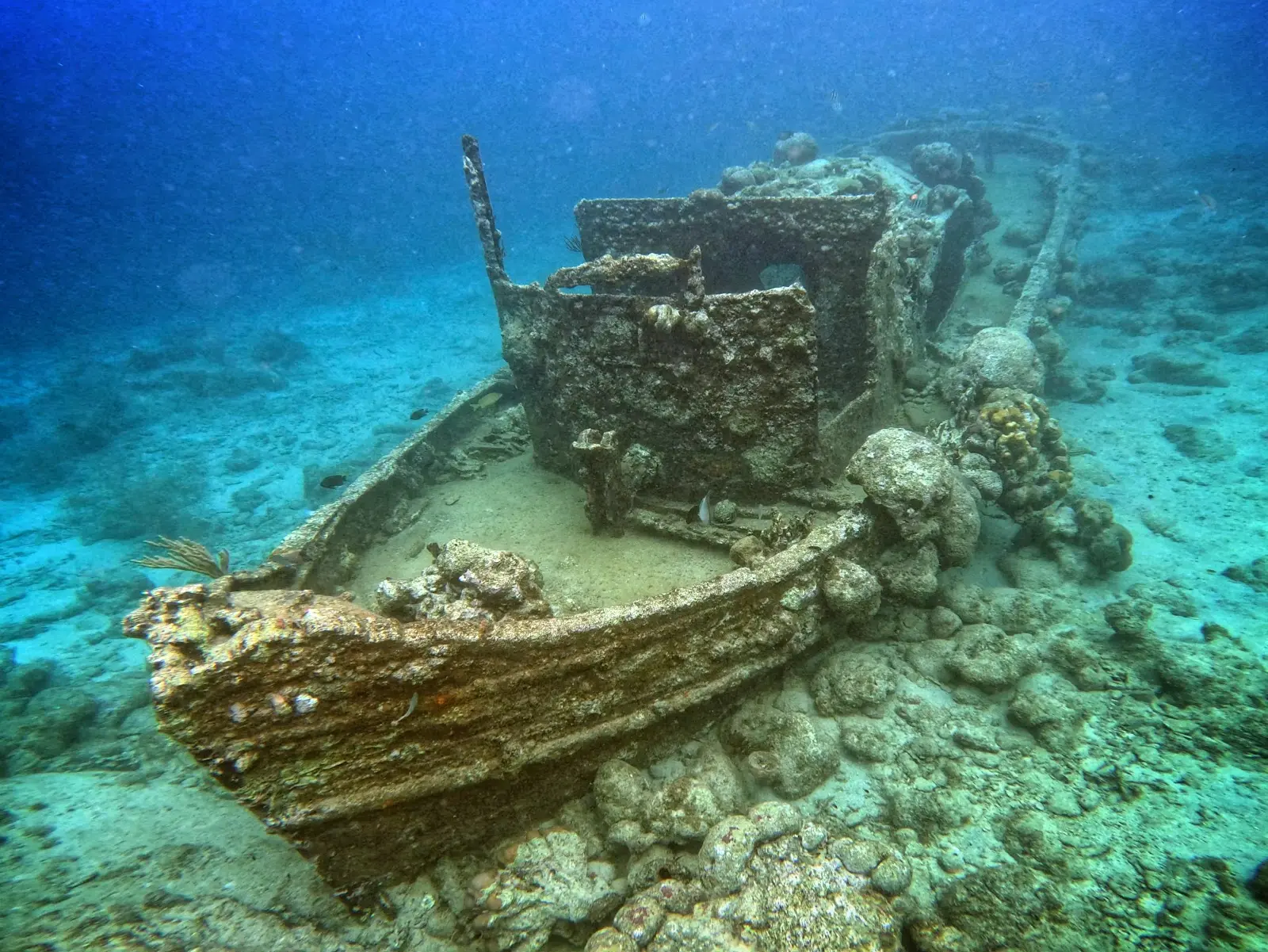
The tugboat wreck is one of those places that feels a bit surreal the first time you see it. You’re swimming in clear blue water, and then suddenly, below you, there’s a structure that clearly doesn’t belong there — a small boat, now covered in coral and surrounded by marine life.
What makes this wreck so interesting is how accessible it is. Unlike deep dive sites, this tugboat sits in relatively shallow water, which means even beginner snorkelers can get a good view of it. You don’t need special equipment or advanced skills — just a mask, fins, and a bit of curiosity.
Over time, the wreck has turned into an artificial reef. Corals have grown over parts of the structure, and fish use it as shelter. You’ll often see schools of small fish moving around it, and sometimes larger ones passing by. It’s a great place to just float above and observe everything happening below.
The contrast between the man-made structure and the natural reef around it makes this spot stand out. It’s not just about the marine life — it’s also about the story behind it. The tugboat was intentionally sunk, and now it has become part of the underwater landscape.
Getting there usually involves swimming out from the Mangel Halto area or visiting it as part of a guided snorkeling tour. Many tours include this stop because it’s visually unique and easy to access, making it a highlight for visitors.
As with any snorkeling spot, conditions matter. Calm mornings offer the best visibility, while rougher conditions can make it harder to see clearly. Always take a moment to check the water before heading out.
It’s also important to keep a respectful distance. Even though it might be tempting to get very close or touch the wreck, it’s better to observe without disturbing the marine life that now calls it home.
If you’re exploring the snorkeling spots around Mangel Halto, the tugboat wreck is definitely worth adding to your list. It’s quick to visit, easy to enjoy, and offers something a bit different from the usual reef experience.
Sometimes, it’s these unexpected finds that end up being the most memorable part of the day.
If you’ve already explored the calm waters of Mangel Halto and feel ready to go a bit further, the reef cuts are where things start to get more interesting. These natural channels break through the reef, creating openings that connect the protected lagoon with the open ocean.
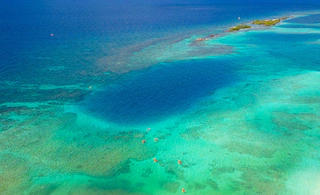
Locals usually refer to them as the left and right cuts. At first glance, they might not look like anything special — just slightly deeper areas between the reef. But once you swim closer, you’ll notice how the water changes. The color shifts, the depth increases, and the movement of the water becomes more noticeable.
The left cut is generally considered the easier one. It’s a bit shallower and tends to have less current, making it a better option if you’re still getting comfortable in the water. You can explore around the edges of the channel and still see plenty of marine life without going too far out.
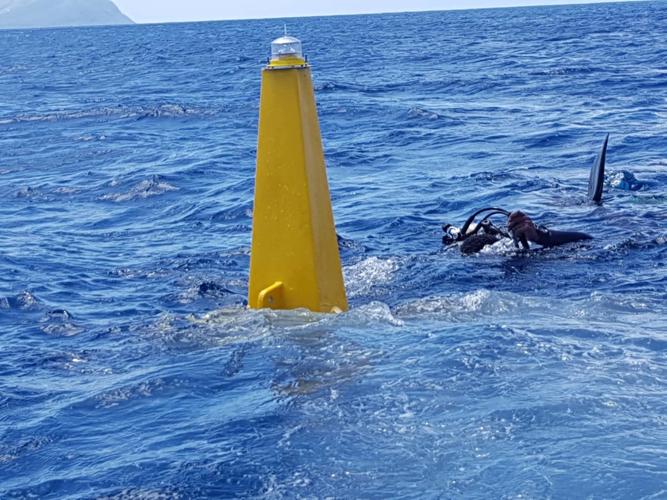
The right cut, on the other hand, is deeper and usually marked by a buoy. This is where things start to feel more like open ocean. The water here can move more, and the drop-off becomes more visible. It’s a great spot for experienced snorkelers who want to see a different side of the reef.
Swimming through these cuts can be an incredible experience. You’ll often find yourself surrounded by schools of fish moving between the reef and deeper water. The coral formations here are also less disturbed, and the visibility can be amazing on a calm day.
That said, this is not the place to underestimate conditions. Currents can be stronger here than inside the lagoon, and it’s important to stay aware of your surroundings. If you’re not confident in your swimming, it’s better to stay closer to the inner reef or go with someone experienced.
Many visitors choose to explore the reef cuts as part of a guided snorkeling or kayak tour. These tours know exactly where to go and how to navigate the area safely, which takes away a lot of the guesswork.
Timing also matters. Early mornings usually offer the calmest conditions, while afternoons can bring more movement in the water. Checking the wind and sea conditions before heading out is always a good idea.
One of the most interesting things about the reef cuts is how they act as a transition zone. You’re literally moving from calm, shallow lagoon waters into the deeper, more dynamic ocean environment. It’s a small distance, but it feels like a completely different world.
If you’re looking to take your snorkeling experience a step further without going too far offshore, the reef cuts are definitely worth exploring. Just take it slow, respect the ocean, and enjoy the experience.
It’s one of those places where a bit of curiosity leads to something unforgettable.

If you ask anyone familiar with Aruba where to snorkel, Mangel Halto Reef will almost always come up. And once you get in the water here, it’s easy to understand why. This isn’t just another beach snorkeling spot — it feels like stepping into a completely different world.
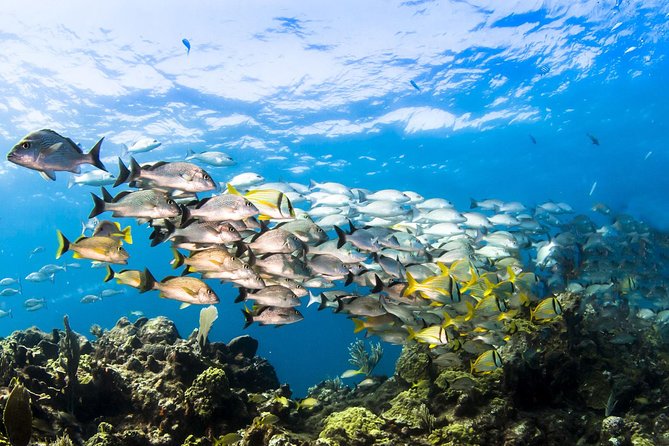
The experience starts in the shallow lagoon. At first, the water is calm, almost still, with patches of seagrass and small fish moving around your feet. It’s a gentle introduction, especially if you’re new to snorkeling. But the real magic happens as you move further out toward the reef.
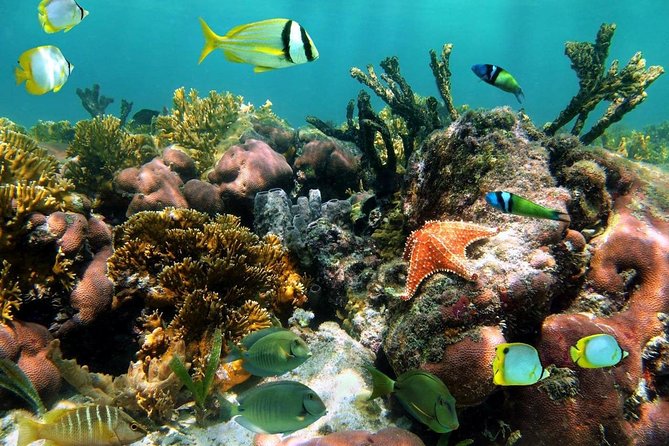
Once you reach the reef area, everything changes. The water becomes deeper, the colors more intense, and suddenly you’re surrounded by coral formations and schools of fish. You’ll see parrotfish, blue tangs, and plenty of smaller reef fish moving in every direction. If you take your time and look closely, you might even spot a moray eel tucked between the rocks or an octopus blending into the reef.
One of the things that makes Mangel Halto Reef special is how untouched it feels. Compared to more commercial snorkeling locations, there are no big crowds or constant boat traffic. It’s just you and the reef, which makes the whole experience feel more natural and personal.
Visibility here is usually excellent, especially in the morning when the water is calm and the sun hits the reef at the right angle. This is the best time to go if you want to see the colors clearly and spot more marine life.
It’s worth noting that getting to the outer reef requires a bit more confidence in the water. The distance isn’t huge, but it’s not right next to the shore either. Wearing fins makes a big difference, and it’s always smart to go with a buddy.
If you’re not comfortable exploring on your own, many visitors choose to join a guided snorkeling or kayak tour. These tours take you directly to the best parts of the reef and often include equipment and local insight, which makes the whole experience easier and safer.
Another interesting part of this area is how the reef drops off into deeper water. Beyond the main snorkeling zone, the ocean floor slopes down significantly, attracting larger marine life and making it a popular spot for more experienced divers as well.
There are a few simple things to keep in mind before you go. Avoid stepping on the coral, as it’s fragile and protected. Use reef-safe sunscreen, and always check the water conditions before heading out. Even though the lagoon is calm, the outer reef can have mild currents depending on the day.
Mangel Halto Reef isn’t just a place to snorkel — it’s one of those spots that stays with you after you leave. It’s quiet, raw, and full of life in a way that feels completely natural.
If you’re planning to explore the underwater side of Aruba, this is one place you really don’t want to miss.
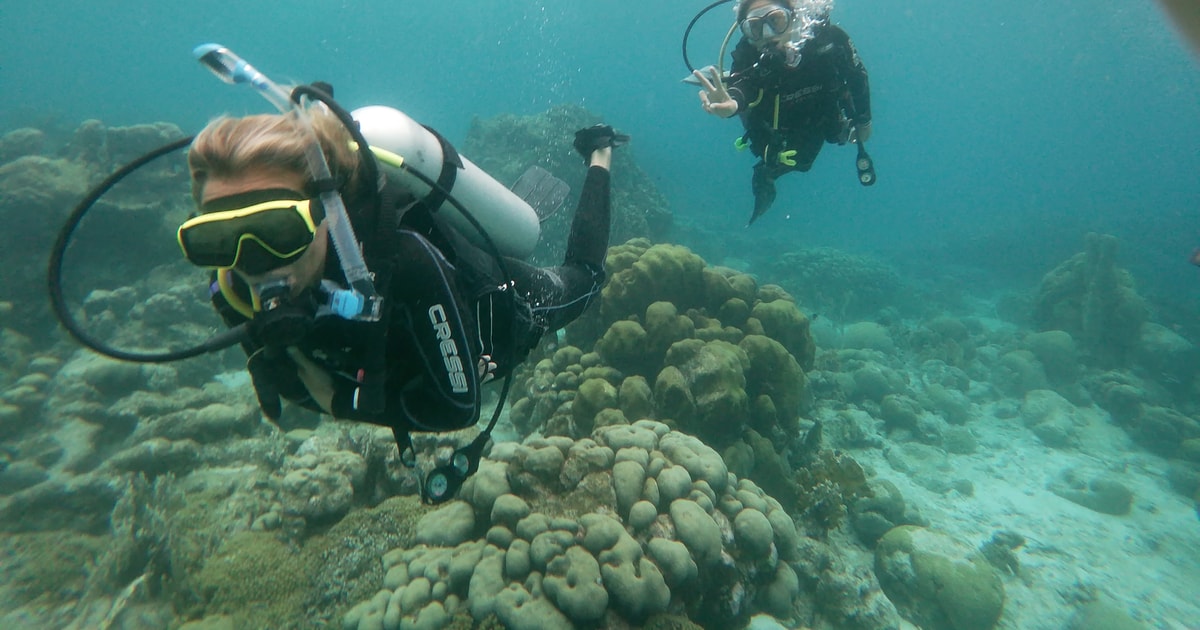
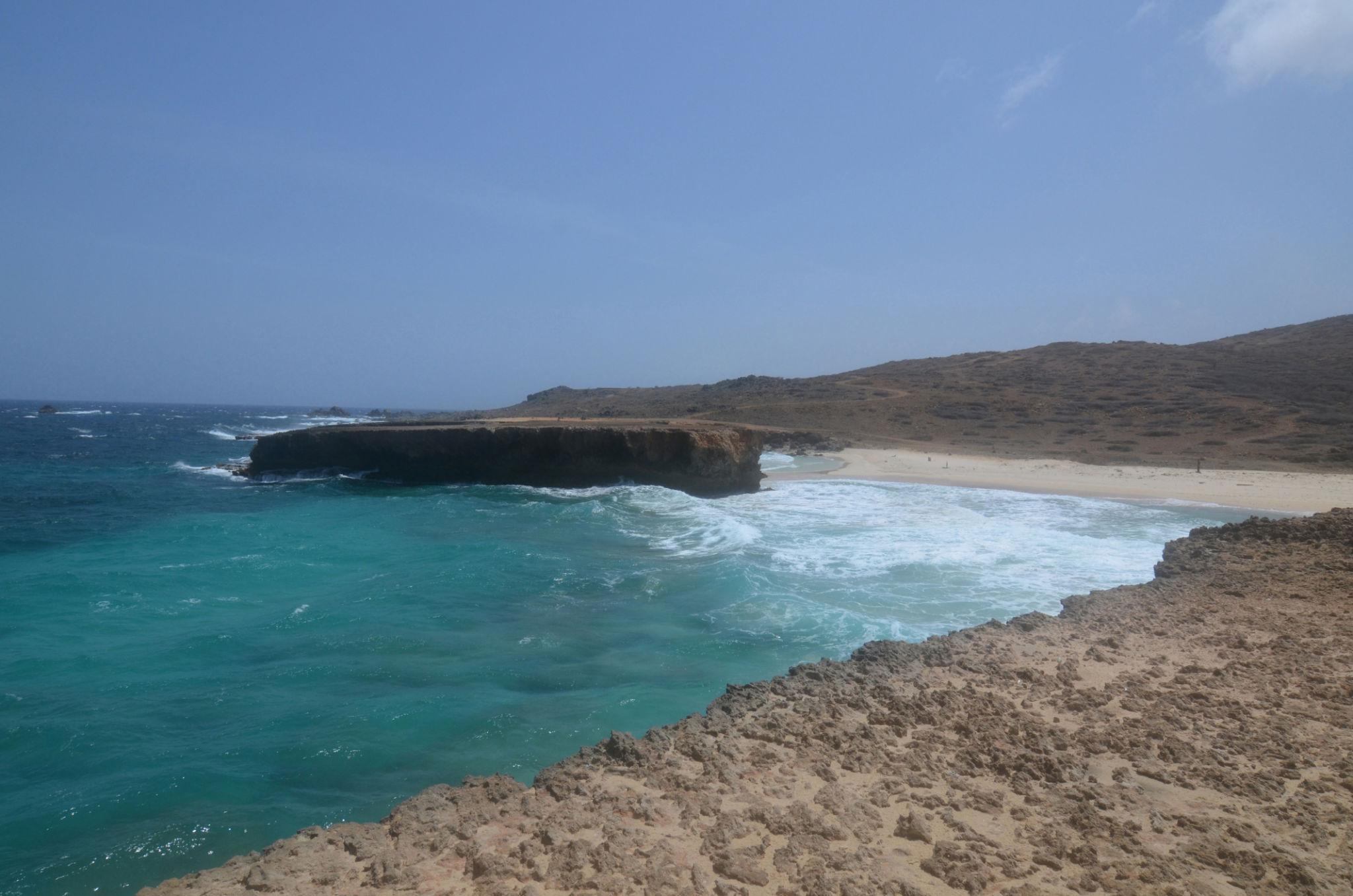
Most people visiting Aruba stick to the well-known beaches — Eagle Beach, Palm Beach, maybe even Baby Beach. But if you’re willing to explore just a little further, you’ll quickly discover that some of the island’s most memorable spots are the ones that don’t show up on the typical tourist map.
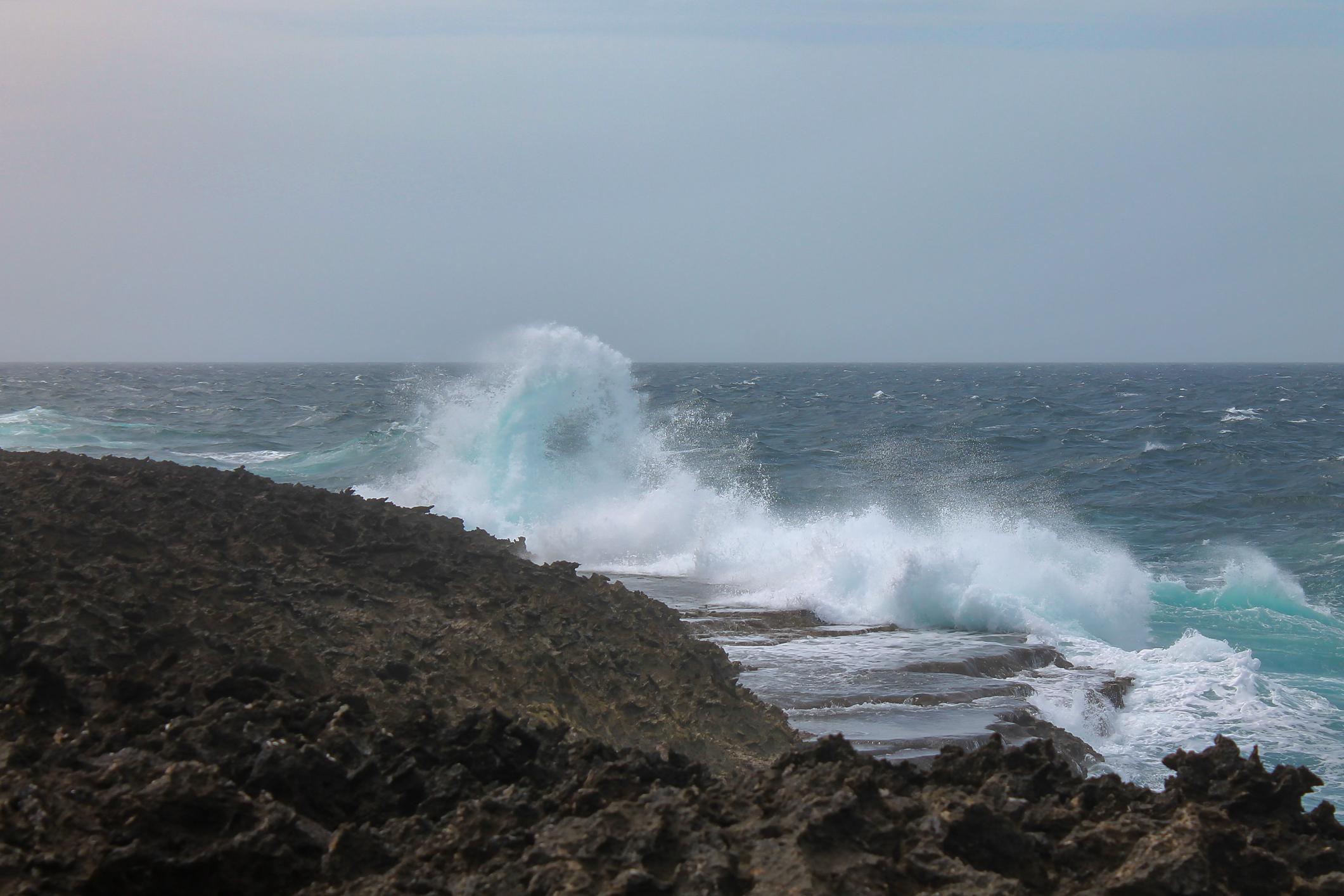
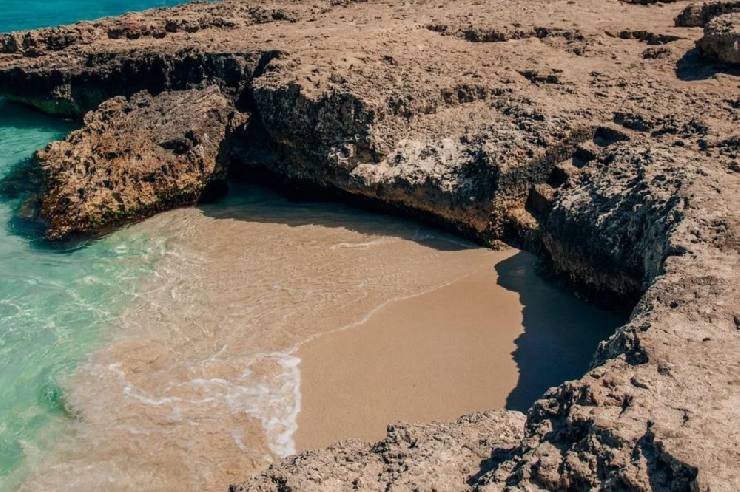
Aruba’s hidden coves are scattered mostly along the island’s less-developed coastlines, especially toward the south and east. These small, tucked-away beaches feel completely different from the open, busy shores. Instead of beach bars and rows of chairs, you’ll find rocky edges, natural formations, and quiet stretches of sand that feel almost untouched.
What makes these coves special is the sense of discovery. Sometimes you’ll need to follow a dirt road, walk a short path, or just trust your instinct that there’s something worth seeing ahead. And more often than not, you’ll end up at a place where it’s just you, the ocean, and the sound of waves.
Some of these spots have calm water, while others are more dramatic with stronger waves crashing against the rocks. It really depends on where you go. The southern coves, closer to areas like Mangel Halto, tend to be more relaxed and easier to access, while the eastern side of the island is wilder, with bigger waves and rugged cliffs.
If you’re planning to explore hidden coves, it’s important to come prepared. There are usually no facilities — no shops, no restrooms, and often no shade. Bring plenty of water, sunscreen, and good footwear, especially if you’ll be walking over rocks or uneven terrain.
It’s also worth being cautious with swimming. Not every cove is safe for entering the water. Some areas have strong currents or sharp rocks beneath the surface. If the water looks rough or unpredictable, it’s better to enjoy the view from the shore.
One of the best ways to discover these places without worrying about directions or safety is by joining a guided off-road or coastal tour. These experiences often take you to hidden spots you’d never find on your own, while also giving you some background about the island’s landscape and history.
For photographers, hidden coves are a dream. The contrast between rough rocks, deep blue water, and bright skies creates dramatic scenes that feel completely different from Aruba’s typical beach postcards. Early morning or late afternoon is the best time for capturing these locations at their best.
Exploring Aruba’s hidden coves isn’t about checking off a list — it’s about slowing down and finding your own favorite corner of the island. Some of these places won’t even have names, but they’ll still end up being the highlights of your trip.
If you enjoy places that feel a bit more raw and untouched, this is where Aruba really shows a different side of itself.
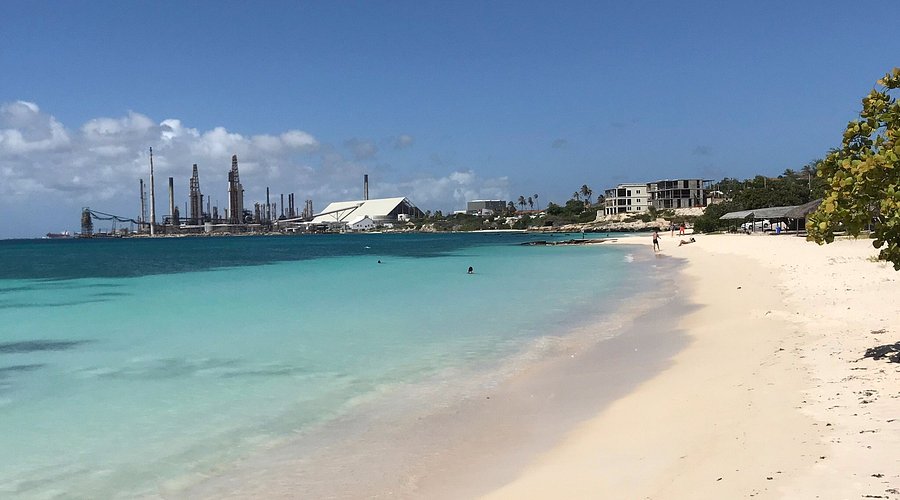
Rodgers Beach is one of those places that most tourists drive past without even realizing what they’re missing. Sitting quietly near Baby Beach on Aruba’s southern coast, it offers a completely different vibe — calmer, quieter, and far less crowded.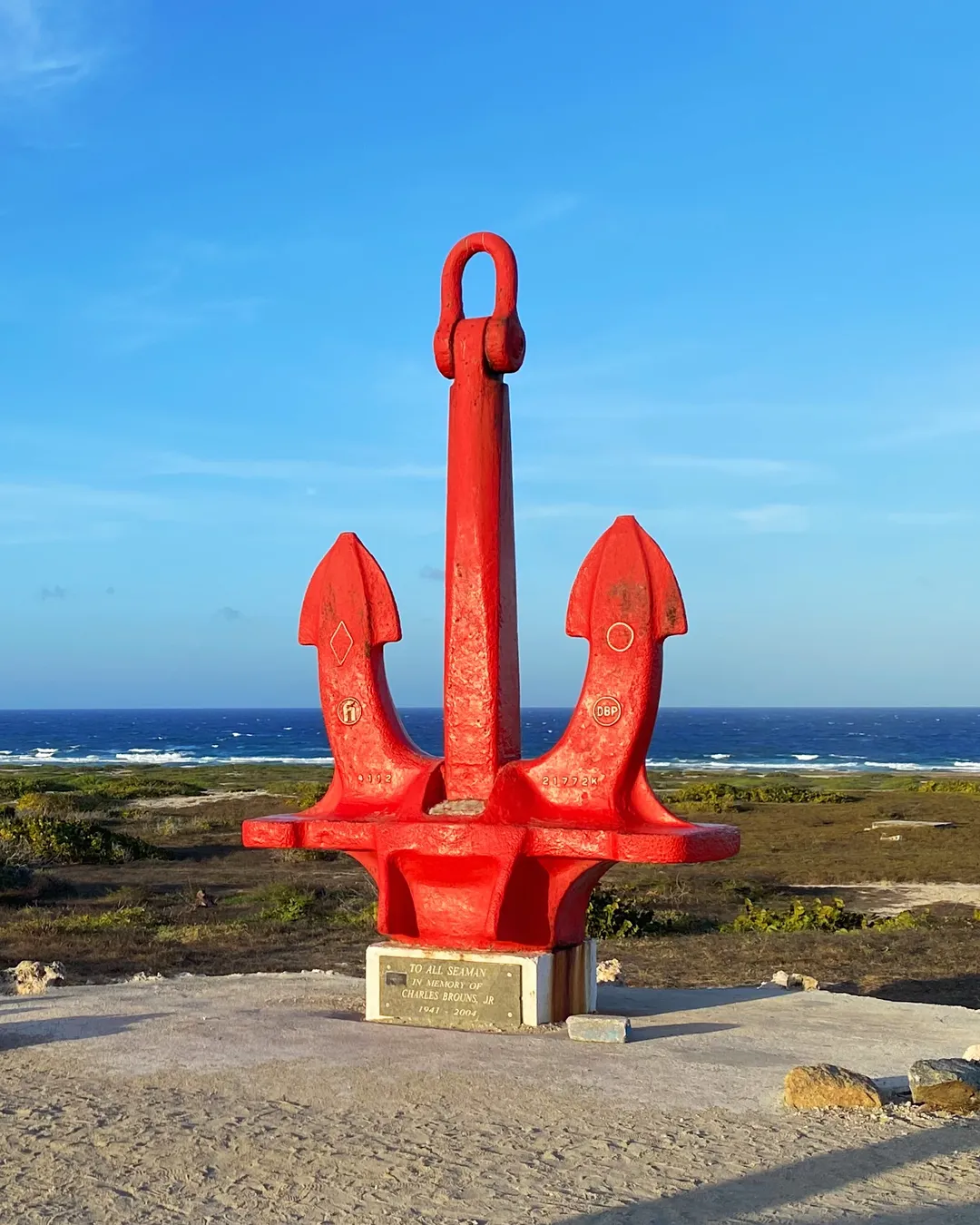
The first thing you’ll notice here is the space. Unlike the more popular beaches, Rodgers Beach often feels almost empty, especially if you come early in the morning or later in the afternoon. It’s the kind of place where you can lay down your towel and hear nothing but the water and the wind.
The water is just as calm as nearby Baby Beach, but the atmosphere is more local. You’ll occasionally see fishermen, a few locals enjoying the shade, or someone just sitting by the water doing absolutely nothing. It doesn’t try to impress — and that’s exactly its charm.
One of the most recognizable features of Rodgers Beach is the large red anchor monument nearby. It stands as a reminder of Aruba’s maritime history and gives the area a unique identity. It’s also a great photo spot, especially with the ocean in the background.
Swimming here is easy and relaxed. The shoreline is sandy, and the water stays gentle, making it suitable for a quick dip or just cooling off after exploring the area. While snorkeling isn’t as popular here as it is at Mangel Halto, you can still spot small fish close to shore if you bring a mask.
What makes Rodgers Beach special is how well it pairs with other nearby spots. Many visitors spend time at Baby Beach and then come here when they want a break from the crowds. It’s only a few minutes away, but it feels like a completely different experience.
There aren’t many facilities here, so it’s best to come prepared. Bring water, snacks, and maybe an umbrella if you plan to stay longer. That said, the simplicity is part of the appeal — no noise, no distractions, just a clean stretch of coastline.
If you’re exploring the southern part of Aruba, Rodgers Beach is definitely worth a short stop. It may not be the most famous beach on the island, but sometimes those are the ones you remember the most.
The best time to visit is during the late afternoon, when the sun softens and the whole area takes on a warm, golden tone. It’s also when the beach feels the most peaceful, making it perfect for slowing down before the day ends.
Rodgers Beach isn’t about activities or attractions — it’s about quiet moments. And if you give it a bit of your time, it delivers exactly that.
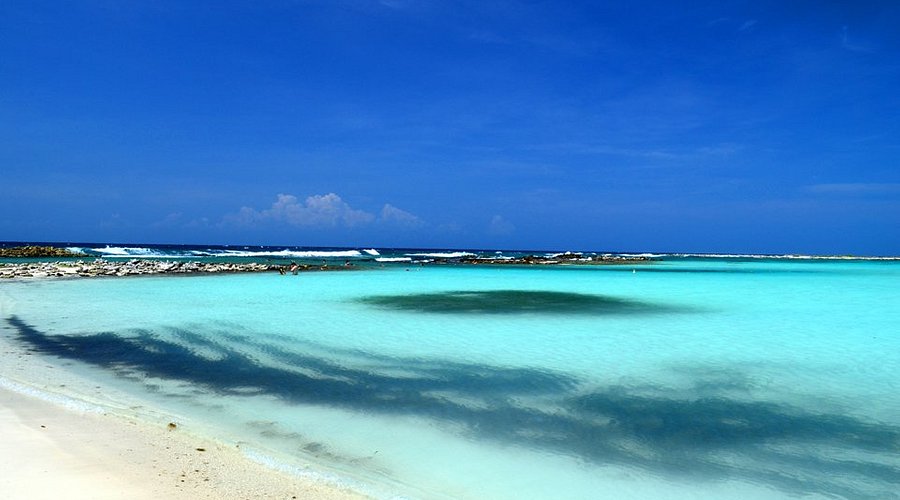
If you’re looking for a beach in Aruba where you can just walk into the water and relax without thinking twice, Baby Beach is probably the first place locals will mention. It’s one of those spots that instantly feels easy — no waves, no stress, just calm, shallow water stretching out in front of you.
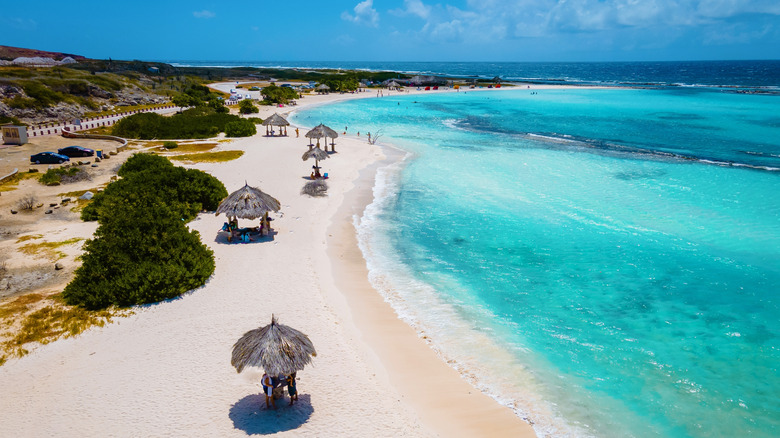
Located on the southern tip of the island, Baby Beach is shaped like a wide half-moon lagoon. The water here stays shallow for a long distance, which makes it perfect for families, beginner swimmers, or anyone who just wants to float around without worrying about currents. You can literally walk far out and still be standing comfortably.
What really stands out is how clear the water is. On a sunny day, the visibility is incredible — you’ll see small fish swimming around your feet even before you think about snorkeling. And if you bring a mask, you’ll quickly realize that there’s more to explore just a bit further out, especially near the edges of the lagoon where the reef begins.
Compared to Mangel Halto, Baby Beach feels a bit more open and social. You’ll usually find more people here, especially families and groups, but it never feels overwhelming. The space is big enough that you can always find your own quiet spot if you walk a little further along the shore.
Snorkeling here is beginner-friendly. The inner lagoon is calm and safe, while more confident swimmers can head toward the outer edges where the reef starts to form. You won’t get the same “hidden” feeling as some other spots, but it’s one of the easiest places on the island to enjoy underwater life without much effort.
There are also more facilities here compared to smaller beaches. You’ll find snack bars, rental spots, and places to grab drinks, which makes it convenient if you plan to spend the whole day. Still, it’s a good idea to bring your own essentials, especially if you want to stay comfortable for hours.
Many visitors combine Baby Beach with a stop at Mangel Halto on the same day. It’s about a 25–30 minute drive, and the contrast between the two is actually really nice — Baby Beach for easy swimming and Mangel Halto for a more secluded, nature-focused experience.
If you want to do more than just relax, this area is often included in guided snorkeling tours around the south coast. These tours usually take you to multiple spots in one trip, making it a simple way to explore without planning too much on your own.
The best time to visit is early in the morning if you want it quieter, or late afternoon when the light softens and the heat drops. Midday is the busiest, but also when the water looks its most vibrant under the sun.
Baby Beach is not about adventure or hidden corners — it’s about comfort. It’s the kind of place where you can spend hours doing nothing, and that ends up being exactly what you needed.
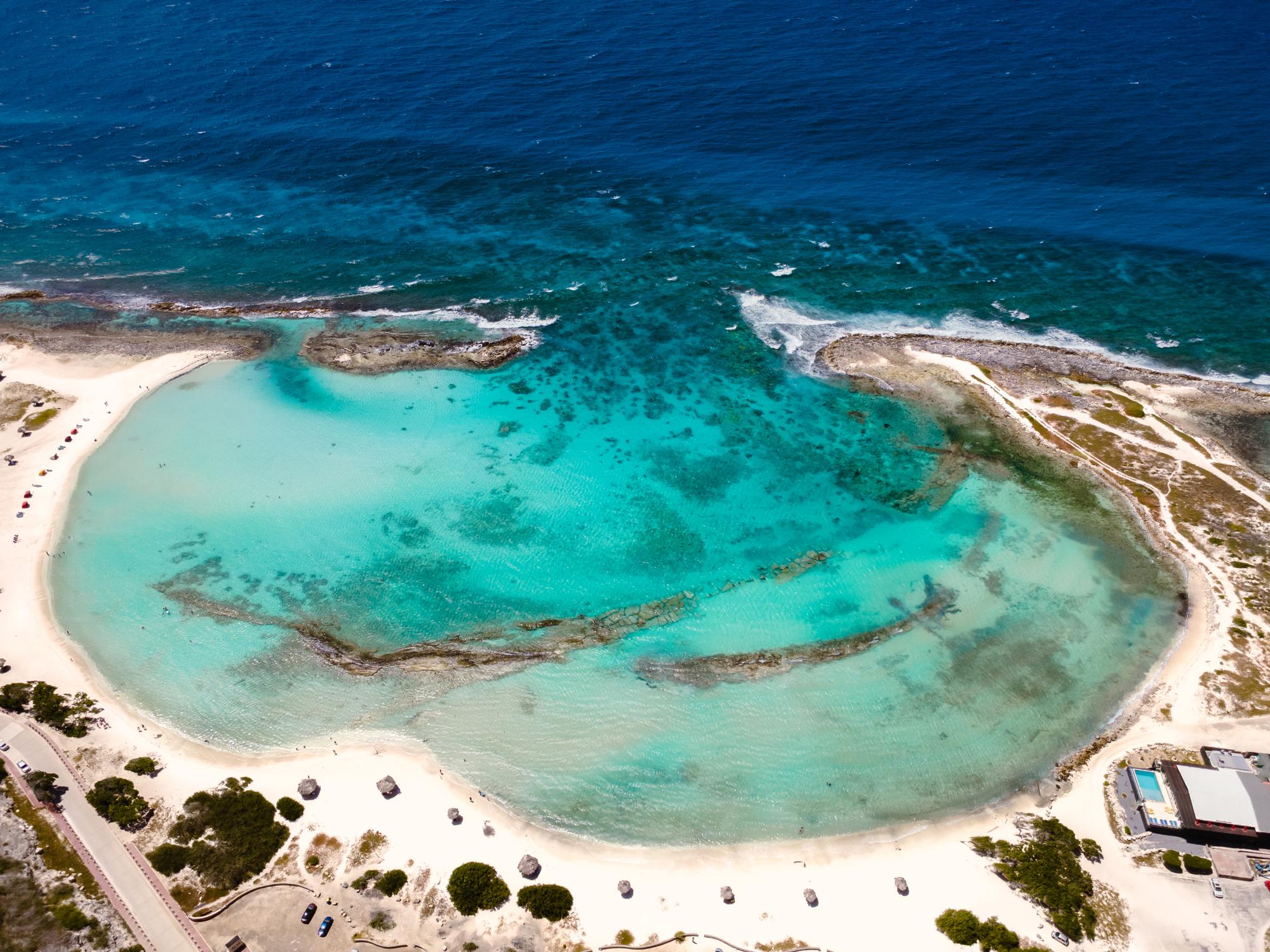
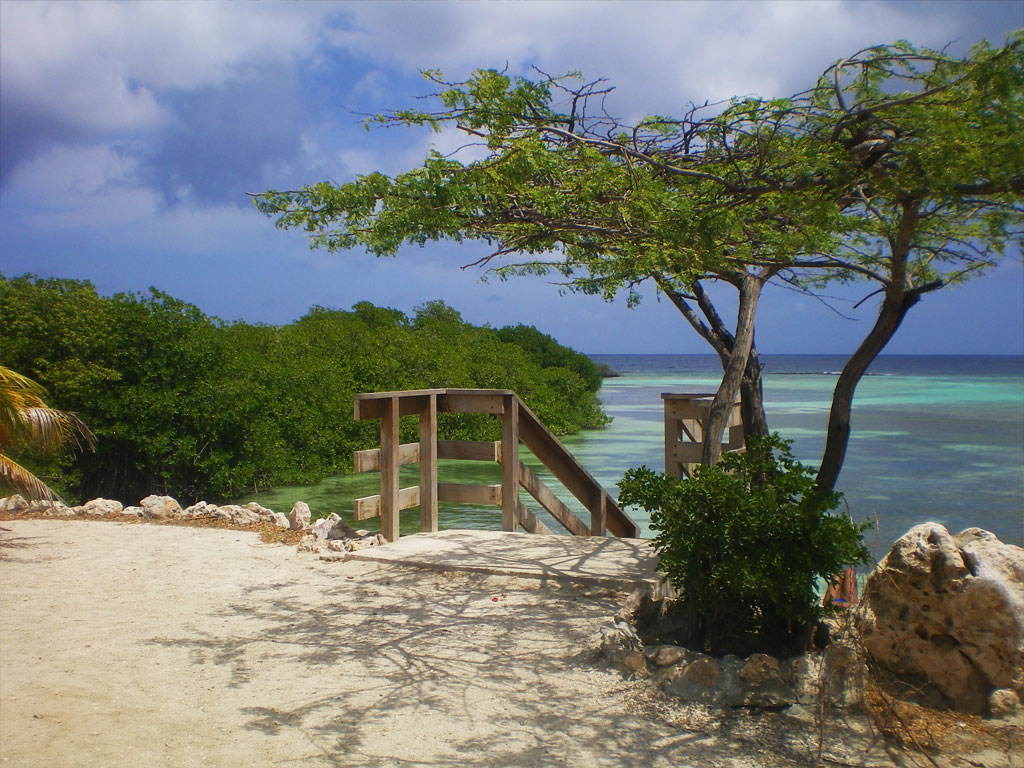
There’s something about Mangel Halto that feels different the moment you arrive. It’s not the kind of beach you stumble upon by accident — you have to know it’s there. Tucked away in a quiet neighborhood in Pos Chiquito, this place feels more like a local secret than a typical Aruba beach.
What makes Mangel Halto truly special is the water. You’ll notice it immediately — layers of blues shifting from light turquoise near the shore to deeper shades further out. The lagoon is protected by mangroves and a reef barrier, which keeps the water incredibly calm. It’s the kind of place where you can just float for hours without a single wave disturbing you.
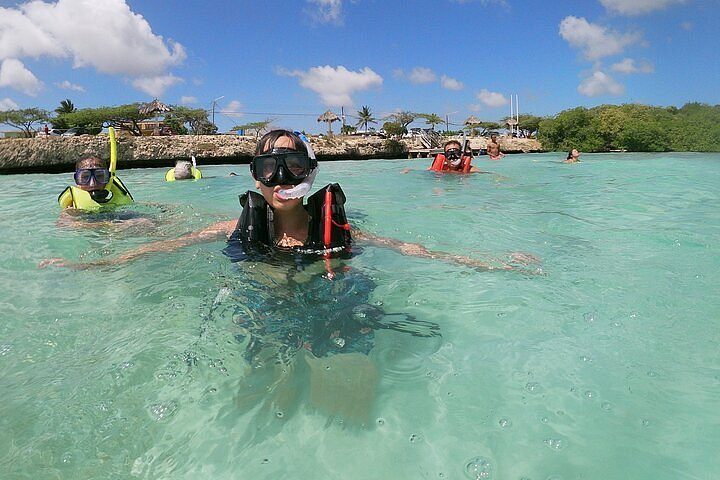
Unlike the more crowded beaches on the island, the atmosphere here is relaxed and unbothered. You’ll see locals setting up picnic spots under the mangroves, couples quietly snorkeling, and maybe a few paddleboarders gliding across the surface. There’s no loud music or big resorts nearby — just nature doing its thing.
If you’re into snorkeling, this is easily one of the best spots in Aruba. Close to shore, you’ll already spot small fish swimming around seagrass beds. But if you swim a bit further out, especially toward the reef edges, the underwater world really opens up. Expect to see parrotfish, blue tangs, and if you’re lucky, even a moray eel hiding between rocks.
One of the most recognizable features here is the wooden deck stretching slightly over the water. It’s a simple structure, but it gives you one of the best views of the lagoon. Many people come here just to sit, take photos, or watch the sunset — and honestly, sunsets here feel more peaceful than anywhere else on the island.
If you want to explore beyond just swimming, a lot of visitors choose to experience the area through kayaking or paddleboarding. One of the best ways to really see the lagoon is by joining a guided kayak and snorkeling tour, where you move through the mangroves and then out toward the reef.
There are a few things worth knowing before you come. First, bring water shoes — parts of the seabed can be rocky. Also, there aren’t many facilities here, so it’s smart to bring your own snacks and water. Shade is available thanks to the mangroves, but sunscreen is still a must.
The best time to visit is early morning or late afternoon. Mornings give you the calmest water and the best visibility for snorkeling, while late afternoon is perfect if you’re chasing that golden sunset light. Midday can get hot, especially if there’s no breeze.
Mangel Halto isn’t about luxury or convenience — it’s about the experience. It’s quiet, natural, and feels real. And that’s exactly why people who discover it tend to come back again.