If you feel like taking a break from the water, the nature trails around Mangel Halto and Spanish Lagoon offer a completely different way to explore the area. It’s slower, quieter, and gives you a chance to notice details you’d normally miss.
These trails are not heavily developed or crowded. In fact, that’s part of what makes them enjoyable. You’re not walking through a tourist attraction — you’re moving through natural space, where mangroves, wildlife, and history all come together.
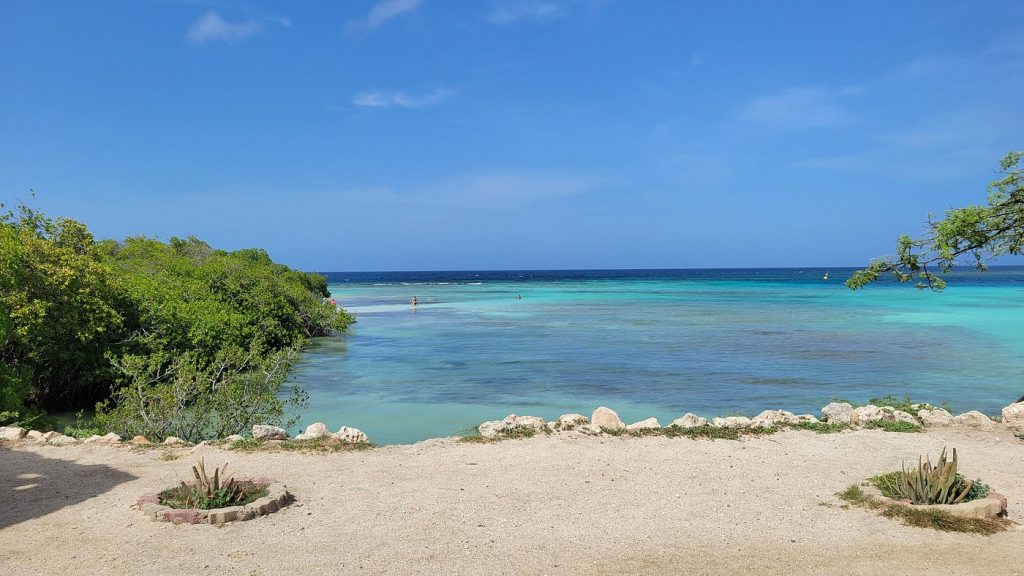
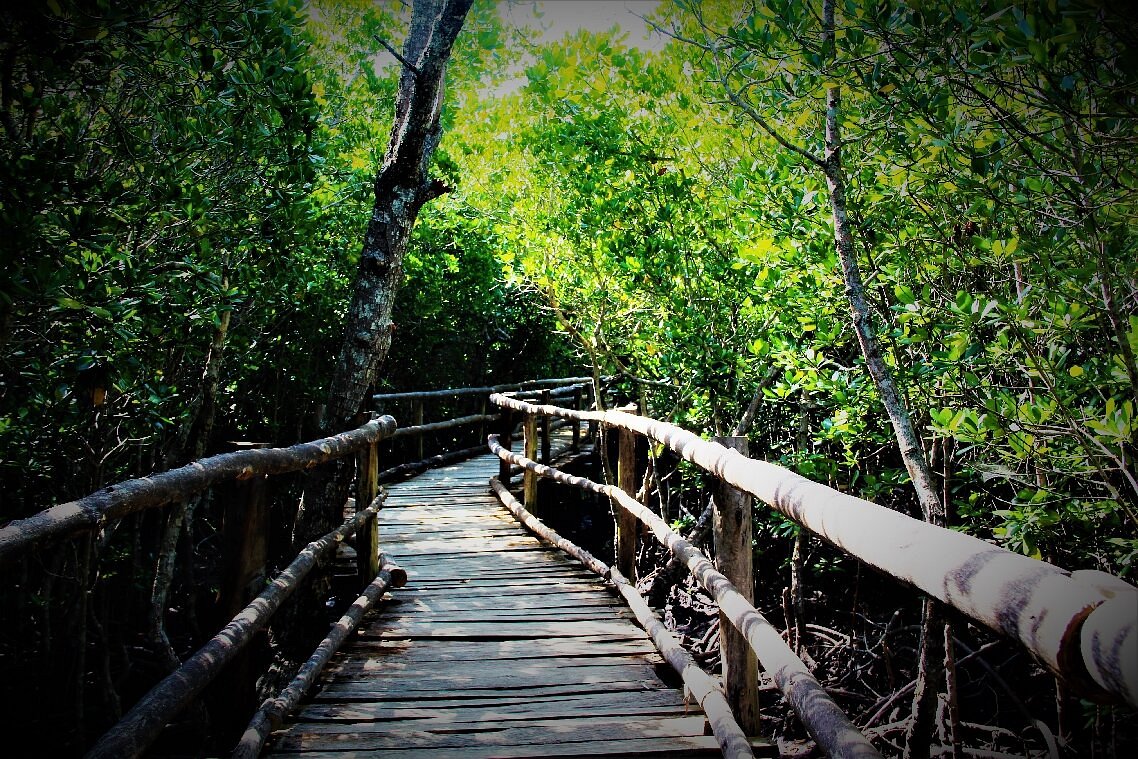
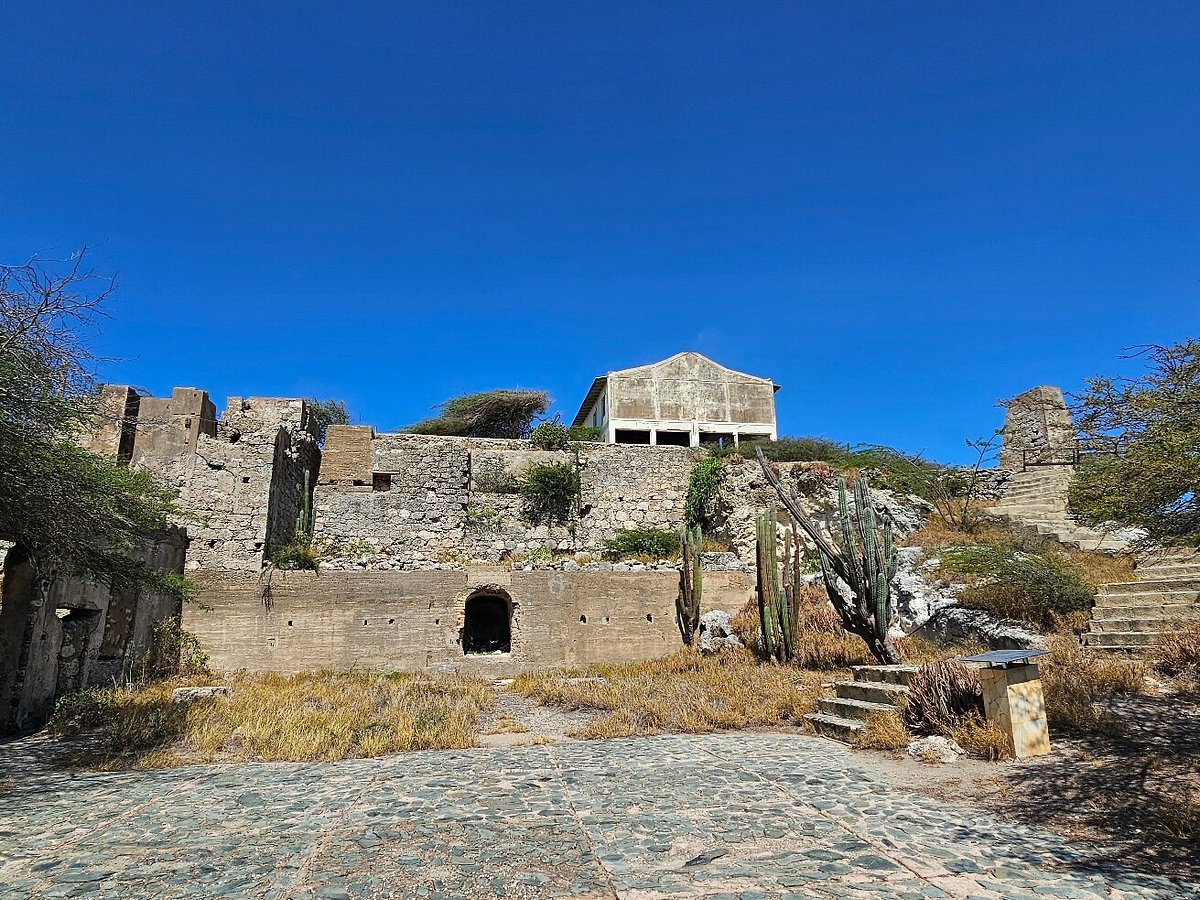
One of the most popular routes starts near the Balashi Gold Mill ruins. From there, a short path leads down toward Spanish Lagoon, where you can walk along the edge of the water. The views are simple but calming — still water, green mangroves, and occasional birds moving through the area.
As you walk, you’ll notice how the environment changes slightly from one part to another. Some areas are more open, while others feel more enclosed by the mangroves. It’s not a long or difficult walk, but it’s enough to give you a sense of the landscape.
The Balashi Gold Mill itself adds a historical element to the experience. These ruins date back to Aruba’s gold mining period and give you a glimpse into a completely different era of the island. It’s worth taking a few minutes to explore the area before or after your walk.
The trails are generally easy and suitable for most people. You don’t need special gear, but comfortable shoes are a good idea, especially if the ground is uneven in certain spots.
Because the area is natural and not heavily maintained, it’s important to come prepared. Bring water, wear sun protection, and consider using insect repellent if you plan to spend more time near the mangroves.
The best time to walk these trails is early morning or late afternoon. Not only is it cooler, but the lighting also makes the surroundings look more vibrant. Midday can be quite hot, especially without much shade in some sections.
Many visitors combine a short walk with other activities nearby. For example, you might explore the trail in the morning and then head to Mangel Halto for swimming or snorkeling later in the day.
Nature trails here are not about reaching a specific destination. They’re about the experience of moving through the environment at your own pace. It’s simple, but it adds another layer to your visit.
If you enjoy quiet walks and discovering places that feel a bit more untouched, this is definitely something worth doing while you’re in the area.
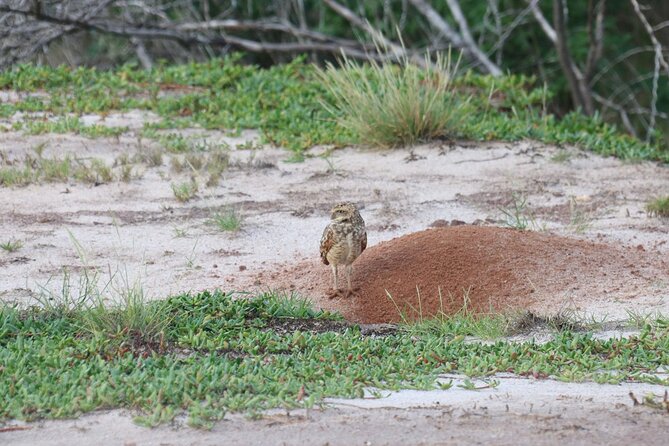
When people think about Aruba, bird watching is usually not the first thing that comes to mind. But if you spend a bit of time around Spanish Lagoon and the mangrove areas near Mangel Halto, you’ll quickly realize how much wildlife is actually here.
This part of the island offers one of the best environments for birds. The mangroves create a natural shelter where different species can feed, rest, and nest. Because of this, the area attracts both local birds and migratory species throughout the year.
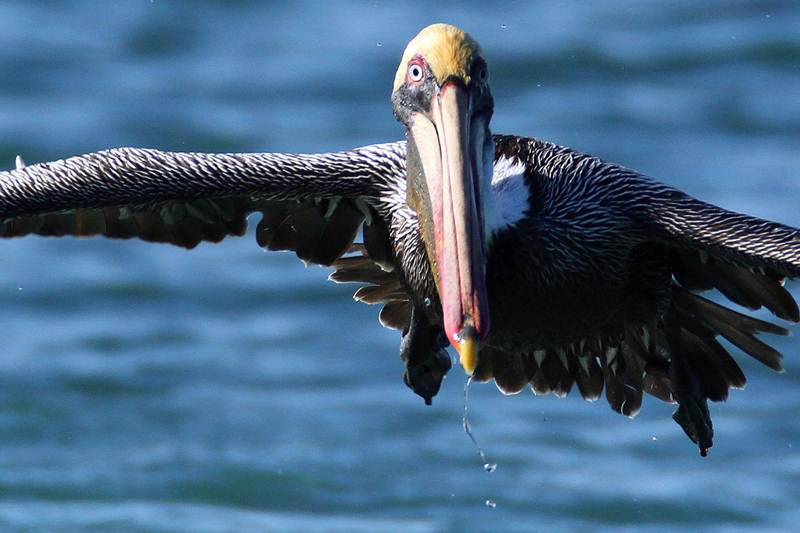
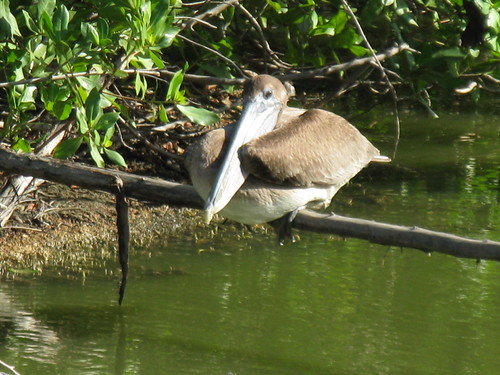
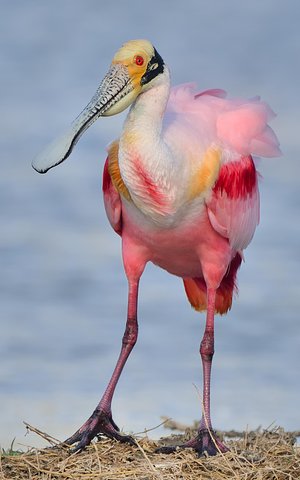
You don’t need to go far to start spotting them. A simple walk along the lagoon or even just standing quietly near the water can be enough. Herons are often the easiest to see — standing still in shallow water, waiting for fish. Pelicans are also common, usually diving into the water or resting nearby.
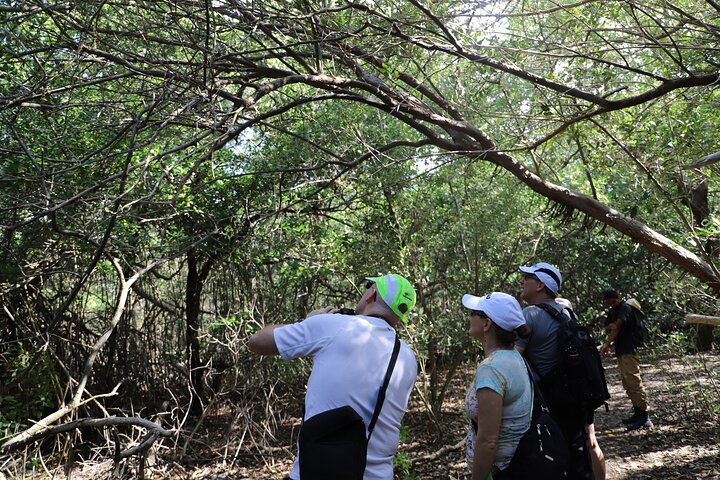
If you pay closer attention, you’ll notice smaller birds moving quickly between the mangrove branches. Some are harder to identify, but that’s part of the experience. It turns a simple walk into something more engaging.
Early morning is by far the best time for bird watching here. The area is quieter, temperatures are lower, and birds are more active. Late afternoon can also be good, especially as the light becomes softer and the lagoon reflects the sky.
You don’t need special equipment, but a pair of binoculars can make a big difference. It allows you to observe birds from a distance without disturbing them, especially in areas where they’re more sensitive.
One of the nice things about bird watching in Aruba is how accessible it is. You don’t need to hike deep into nature reserves or travel far. Spots like Spanish Lagoon are just a short drive away, making it easy to include this in your day.
Many visitors combine this experience with other activities nearby. For example, you might spend the morning kayaking through the mangroves and then take some time to walk around and look for birds. It’s a simple way to enjoy the area from different perspectives.
It’s also important to be respectful of the environment. Avoid making loud noises, don’t get too close to nesting areas, and try not to disturb the natural habitat. The quieter you are, the more you’ll see.
Bird watching here isn’t about checking off a list of species. It’s more about slowing down and noticing details you might otherwise miss. And in a place like Aruba, that’s a different kind of experience that many people don’t expect.
If you’re looking for something calm and a bit more connected to nature, this is definitely worth adding to your time around Mangel Halto.
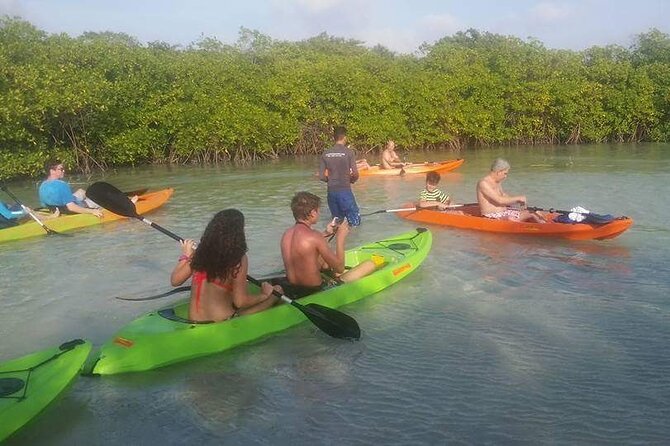
If you want to experience a different side of Aruba — something quieter, closer to nature, and far from crowded beaches — mangrove kayaking is one of the best things you can do.
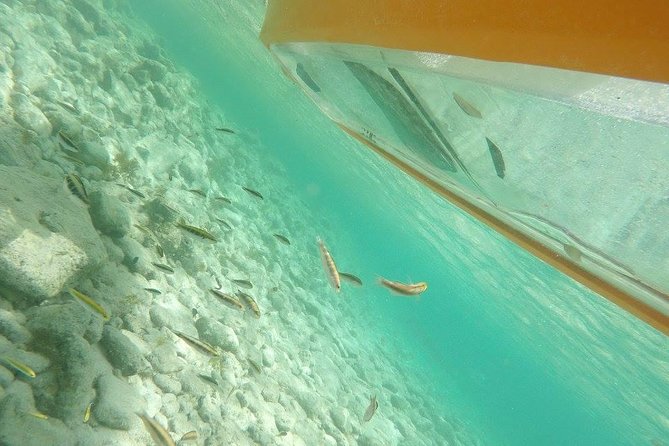
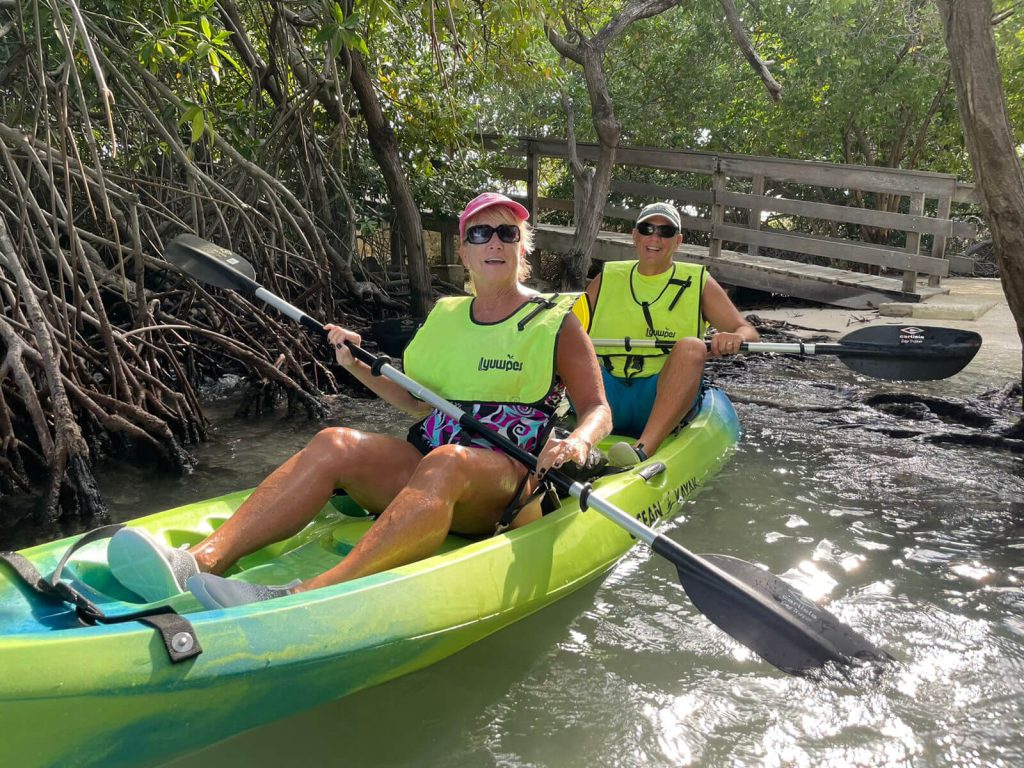
The area around Spanish Lagoon is perfect for this. The water is calm, protected, and easy to navigate, even if you’ve never been in a kayak before. There are no strong waves, no open ocean conditions — just smooth water winding through mangrove channels.
As soon as you start paddling, everything slows down. The noise disappears, and you’re left with the sound of water moving around your kayak and birds in the distance. It’s a completely different atmosphere compared to the typical beach experience.
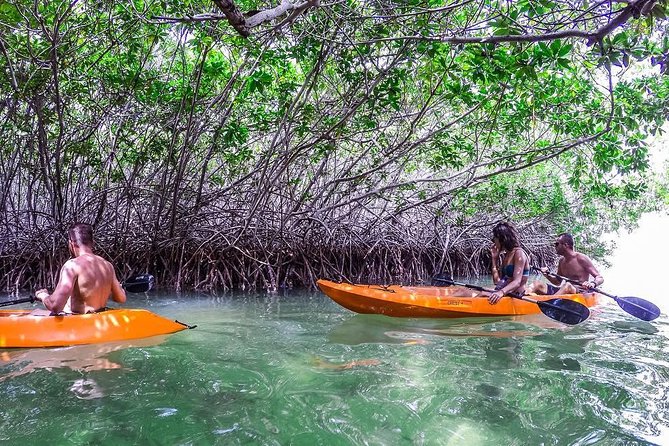
One of the highlights is moving through the mangrove tunnels. These natural pathways feel almost hidden, with branches creating shaded corridors over the water. In some areas, the water is so clear that you can see fish swimming beneath you as you glide forward.
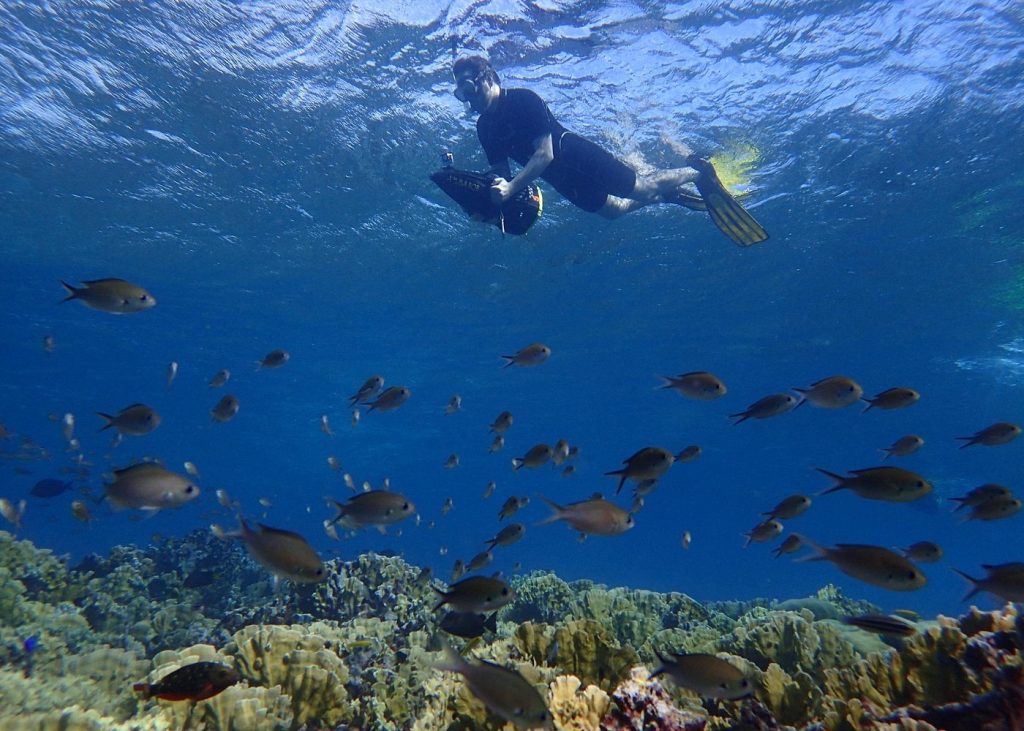
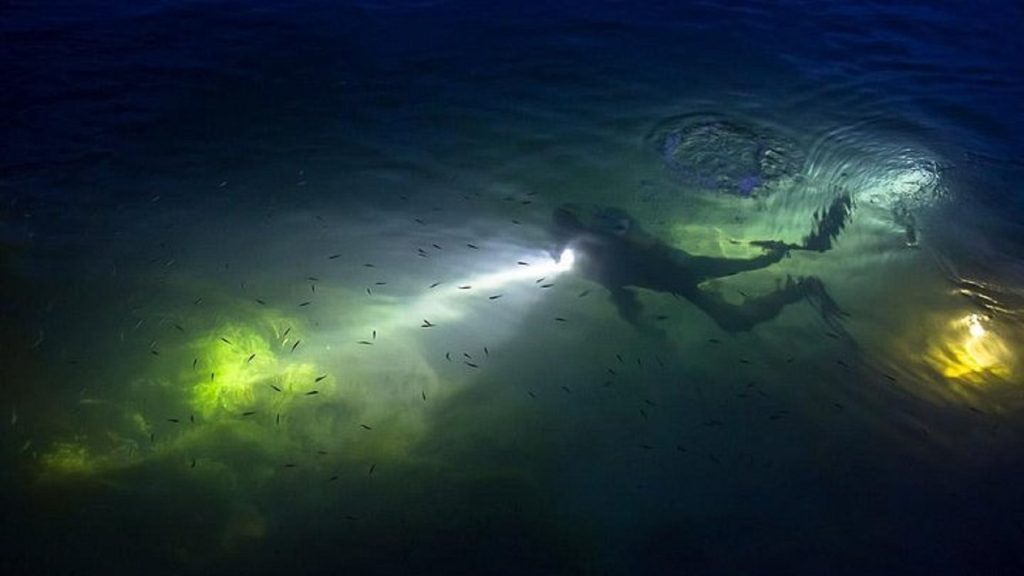
Many tours combine kayaking with snorkeling, which makes the experience even better. After paddling through the lagoon, you’ll usually stop near the reef at Mangel Halto, where you can get into the water and explore marine life.
This combination is what makes mangrove kayaking so popular. You’re not just staying in one place — you’re moving through different environments, from quiet mangroves to open reef areas.
You don’t need much experience to join. Most tours provide everything, including the kayak, life vest, and snorkeling gear. Guides also give basic instructions before you start, so even beginners can feel comfortable.
If you prefer to explore on your own, kayak rentals are sometimes available, but going with a guided experience has its advantages. You won’t have to worry about navigation, and you’ll learn more about the area along the way.
The best time to go is early morning or late afternoon. These times offer cooler temperatures and calmer conditions, making the experience more enjoyable. Midday can be hot, especially under direct sun.
There are a few simple tips to keep in mind. Wear comfortable clothing that can get wet, bring water, and use sun protection. A waterproof bag is also useful if you want to keep your phone or camera safe.
Many visitors choose to explore this area through a guided kayak and snorkeling tour, which is one of the easiest and most enjoyable ways to experience both the lagoon and the reef in one trip.
Mangrove kayaking isn’t about speed or excitement — it’s about the experience. It’s slow, peaceful, and surprisingly memorable, especially if you’re looking for something beyond the usual beach day.
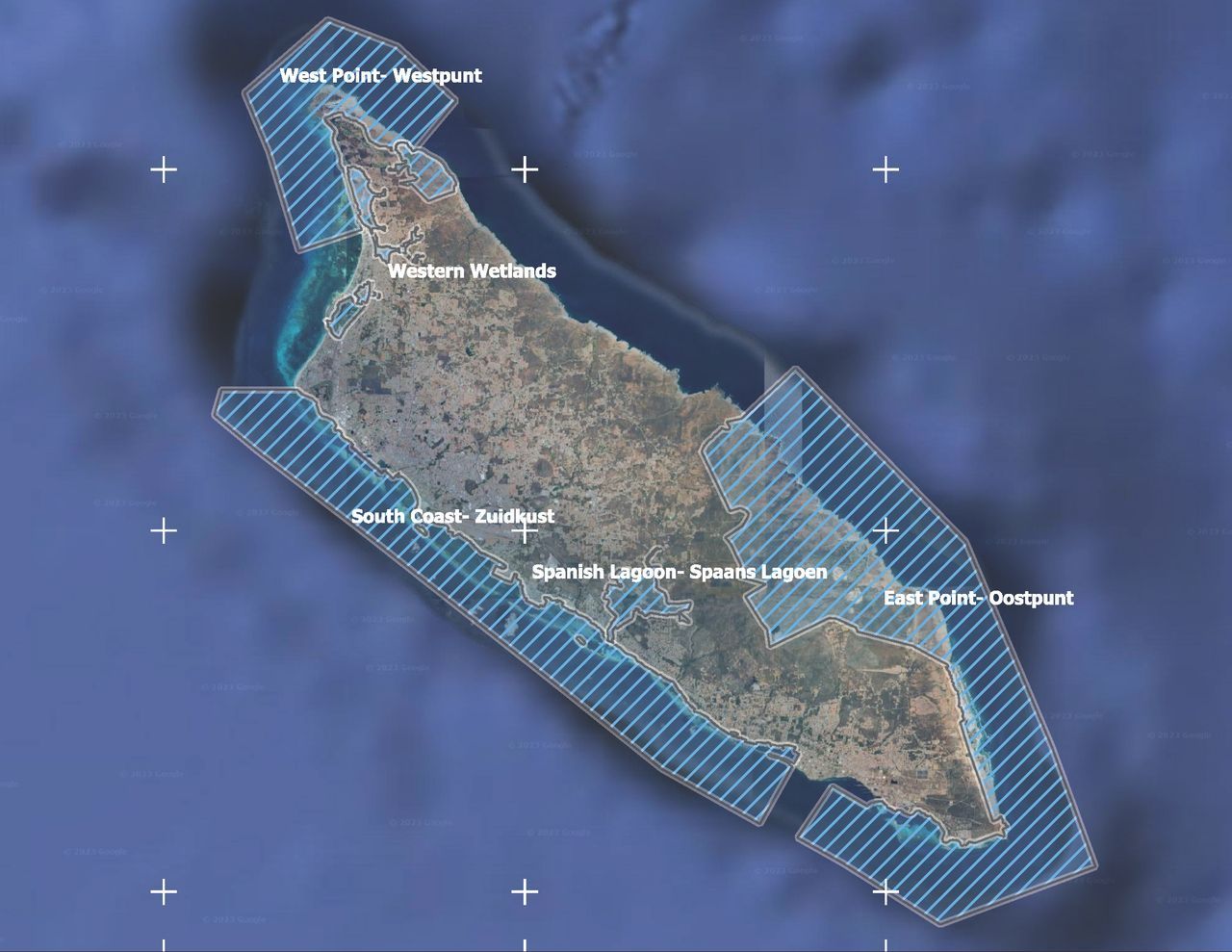
Spanish Lagoon, or Spaans Lagoen as locals call it, is one of those places in Aruba that feels completely different from the beaches most visitors come for. It’s quieter, greener, and more about nature than sunbathing.
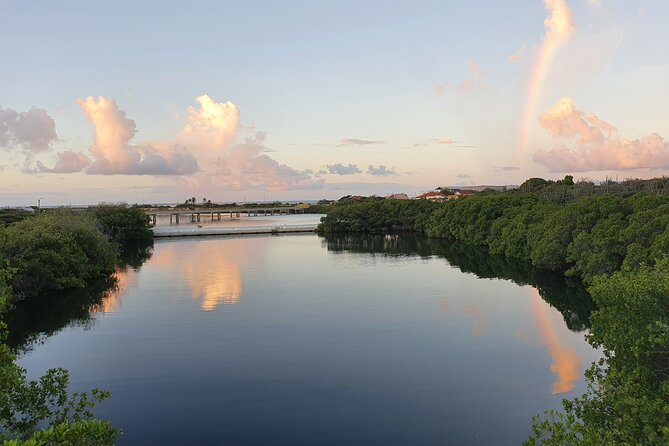
Located just a few minutes from Mangel Halto, this lagoon is surrounded by dense mangroves that create a calm, protected environment. The water here is still and reflective, often acting like a mirror, especially in the early morning. It’s the kind of place where everything slows down.
What makes Spanish Lagoon special is its ecosystem. The mangroves are not just trees — they’re a natural nursery for marine life. Fish, crabs, and other small creatures use the roots for shelter, while birds use the area for feeding and nesting.
If you take a walk along the edges of the lagoon, you’ll quickly notice how alive the area is. You might see herons standing still in the shallow water, pelicans diving nearby, or smaller birds moving between the branches. It’s one of the best spots in Aruba for bird watching.
There’s also a strong sense of history here. Spanish Lagoon is believed to have been one of the first landing spots for explorers arriving on the island centuries ago. Today, it still feels like a hidden entry point — quiet, slightly mysterious, and far from the busy tourist zones.
One of the best ways to experience the lagoon is by kayak. Paddling through the mangroves gives you a completely different perspective. You move slowly through narrow water paths, often close enough to touch the roots, while the water beneath you stays clear and calm.
Many visitors combine this with snorkeling near Mangel Halto, since the two locations are so close. It’s an easy way to experience both the natural and underwater sides of the area in one trip.
If you prefer to stay on land, there are simple walking paths around parts of the lagoon. They’re not heavily developed, but that’s part of the charm. You’re not walking through a tourist attraction — you’re exploring a natural space.
The best time to visit is early morning or late afternoon. That’s when the light is softer, the temperatures are lower, and wildlife is more active. Midday can be hot and quiet, especially if there’s no breeze.
There are no major facilities here, so it’s important to come prepared. Bring water, wear comfortable shoes, and don’t forget insect repellent, especially if you plan to stay longer near the mangroves.
Spanish Lagoon isn’t about dramatic views or busy activity. It’s about calm, detail, and taking your time. And if you give it that time, it becomes one of the most memorable places on the island.